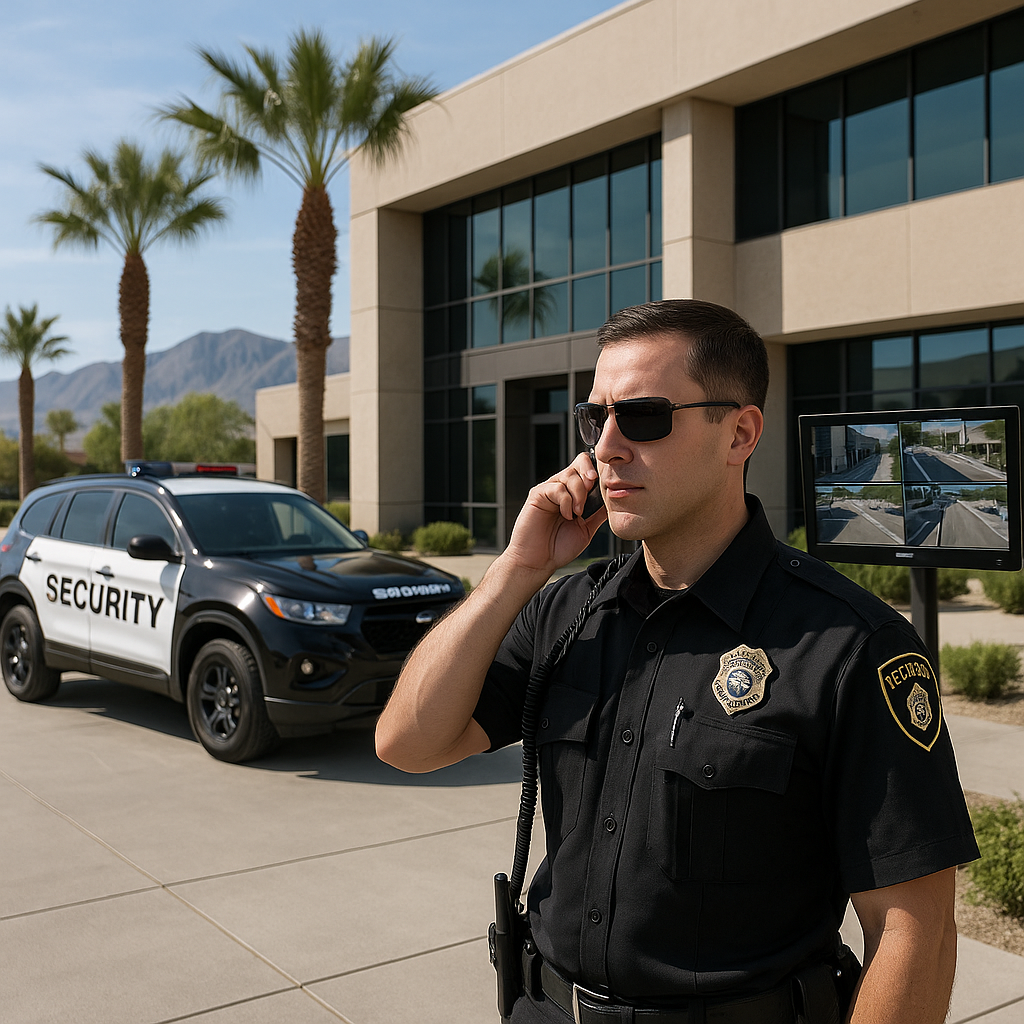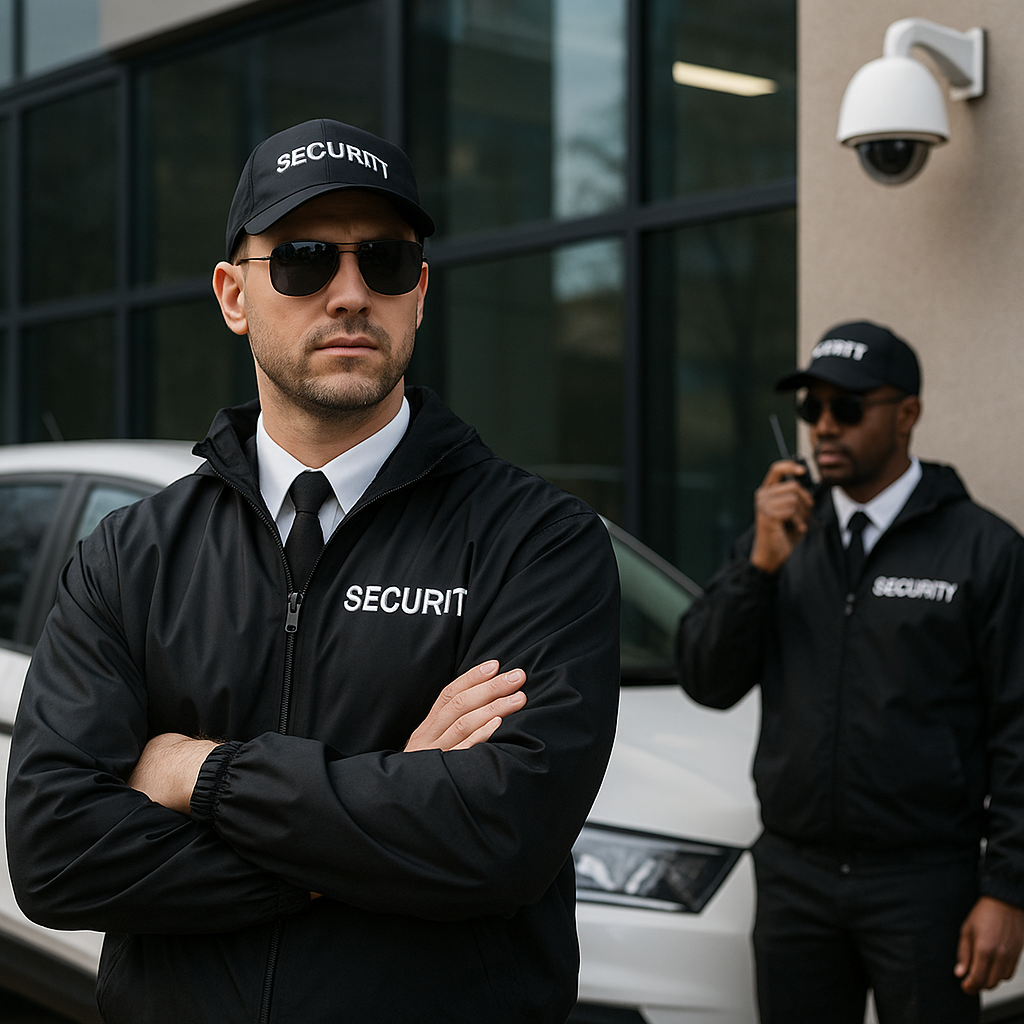
Palm Springs Hotel Security Guards for Luxury Hospitality
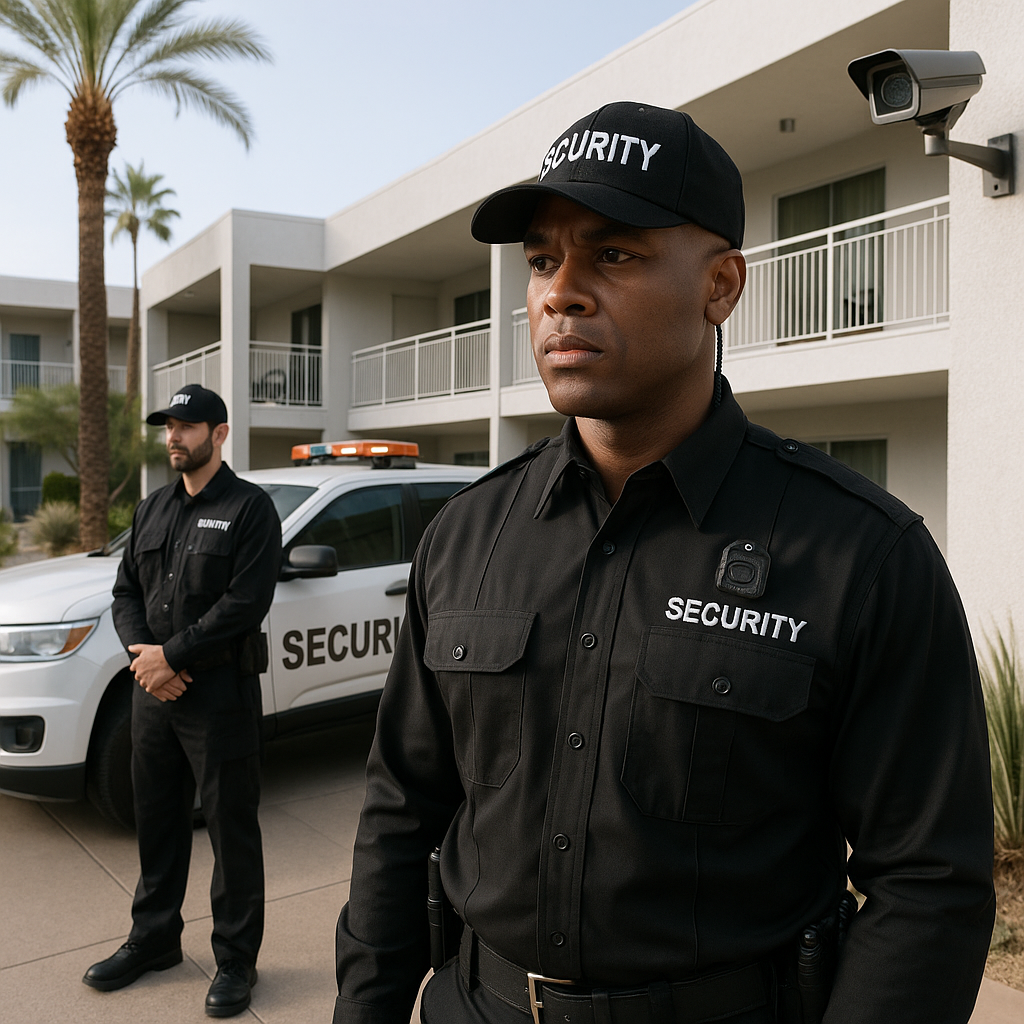
Palm Springs hotel security guards, boutique resort protection Palm Springs, VIP guest security Coachella Valley, luxury hospitality security.
Palm Springs hotel security guards, boutique resort protection Palm Springs, VIP guest security Coachella Valley, luxury hospitality security are essential for boutique hotels and high-end resorts that must protect guests without disrupting the refined experience they expect. In luxury hospitality, security is not separate from service. It is part of the guest journey, the property reputation, and the operational standard that defines whether visitors feel safe, respected, and cared for from arrival to departure.
CSI Ceja Security Inc. delivers hospitality-focused protection that blends visible deterrence, discreet coverage, and rapid response. Our licensed team understands how boutique properties, luxury resorts, and VIP destinations across Palm Springs and the Coachella Valley operate during regular occupancy, festival surges, private events, and celebrity stays. We build security programs that preserve the atmosphere while actively mitigating risk.
For hotel operators, general managers, asset managers, and ownership groups, the challenge is always the same: how do you maintain elegant, personalized service while controlling access, preventing incidents, and protecting privacy? The answer is a layered security model supported by trained professionals who understand hospitality etiquette, guest relations, and real-world threat prevention.
Why Luxury Hospitality Needs Specialized Security
Luxury hotels and boutique resorts face a different security profile than standard commercial properties. The environment is more open, guest expectations are higher, and incidents can become public quickly. A single confrontation at the front drive, pool deck, or lobby can damage the guest experience and the brand.
That is why Palm Springs hotel security guards, boutique resort protection Palm Springs, VIP guest security Coachella Valley, luxury hospitality security must be built around discretion, professionalism, and prevention. Security officers in these settings do more than watch doors. They manage tone, identify unusual behavior early, coordinate with hotel teams, and resolve problems before they escalate.
Luxury properties also attract a wider range of risks. These include trespassers seeking pool access, paparazzi attempting to identify celebrity guests, aggressive visitors trying to enter private spaces, intoxicated non-guests, late-night disturbances, theft from valet or common areas, and targeted privacy breaches during festival season. Each issue requires a measured response that protects both safety and the guest experience.
Security must support the hospitality brand
Guests at boutique resorts do not want to feel watched in a hostile environment. They want to feel protected in a calm one. The right officer presence reassures guests without creating tension or making the property appear over-policed.
This is where hospitality-specific training matters. Security personnel must know when to step forward, when to remain in the background, and how to communicate with courtesy under pressure. In luxury settings, presence and judgment are as important as physical coverage.
Open layouts increase exposure
Many Palm Springs resorts feature outdoor pathways, open courtyards, poolside lounges, event lawns, and multiple guest access points. These design features enhance the guest experience, but they also create vulnerabilities. Unauthorized visitors can blend in easily, especially when occupancy is high.
A strategic security plan accounts for these realities through access control, patrol scheduling, guest verification standards, and zone-based coverage. This is especially important during weekends, private parties, and high-profile seasonal events.
Palm Springs Hotel Security Guards for Boutique Resort Protection Palm Springs
Palm Springs hotel security guards, boutique resort protection Palm Springs, VIP guest security Coachella Valley, luxury hospitality security must be aligned with the property type, clientele, amenities, and operating hours. No two boutique hotels have the same risk profile. A private adults-only property faces different challenges than a family resort, a wellness retreat, or a celebrity-favored estate.
CSI Ceja starts with a site-specific assessment. We review entry points, guest flow, public-to-private transitions, event activity, late-night exposures, staffing levels, and historic incident patterns. From there, we design a program that fits the resort identity while strengthening risk controls.
This often includes a combination of lobby presence, exterior patrols, pool monitoring, parking and valet oversight, after-hours perimeter checks, and discreet executive-style protection for high-profile guests. For properties that host weddings, brand activations, or private gatherings, we may also coordinate specialized event security services that integrate with the hotel team.
Core priorities at boutique hotels and resorts
At luxury hospitality properties, security priorities usually center on access management, privacy, de-escalation, and asset protection. Officers must monitor who belongs on site, protect restricted guest areas, and intervene quickly when behavior shifts from nuisance to threat.
These environments also require stronger communication between departments. Front desk teams, concierge, valet, housekeeping, engineering, food and beverage, and management all play a role in identifying concerns early. Security becomes more effective when officers are integrated into daily operations, not isolated from them.
Guest comfort remains the standard
A great hospitality security program does not rely on intimidation. It relies on awareness, consistency, and professionalism. Guests should notice that the property is well-controlled, not feel that it is under siege.
That approach is especially valuable at upscale desert destinations such as Palm Springs, where properties often market seclusion, tranquility, and exclusivity. Security has to reinforce that promise.
Plainclothes vs. Uniformed Security Strategies
One of the most important decisions in luxury hospitality security is determining when to use uniformed officers and when to deploy plainclothes personnel. The answer is rarely one or the other. The strongest programs use both, with each role assigned to the right environment and objective.
When uniformed officers are the right choice
Uniformed officers create immediate deterrence. Their visible presence helps reduce trespassing, unauthorized pool access, loitering, and disruptive behavior near entrances, parking lots, and common areas. They also provide reassurance to guests and staff who want to know help is nearby.
For luxury hotels, uniformed coverage is most effective at front entrances, loading areas, perimeter access points, and during higher-risk time periods such as evenings, weekends, and special events. A professional, polished uniform projects control without compromising the guest experience when officers are trained in hospitality presentation.
Uniformed personnel are also ideal for late-night patrols and exterior monitoring. For many properties, pairing visible officers with mobile patrol services creates broader deterrence across parking areas, service roads, and remote corners of the property.
When plainclothes security is the better fit
Plainclothes officers are essential when a low-profile posture is necessary. This is common for celebrity stays, VIP arrivals, executive retreats, private buyouts, and properties that want enhanced observation without altering the ambiance. Plainclothes professionals blend into the setting while watching for targeted threats, suspicious behavior, and privacy intrusions.
They are particularly valuable in lobbies, bars, pool decks, and private event areas where visible enforcement may feel too intrusive. A plainclothes officer can identify a developing issue, coordinate with management, and intervene discreetly before a scene develops.
For VIP guest security Coachella Valley, plainclothes personnel are often the preferred front-line resource. They support privacy, reduce attention, and protect the guest from unwanted interactions in a way that matches luxury expectations.
The most effective model is layered
Luxury properties do not need to choose between visibility and discretion. They need the right mix. Uniformed officers handle deterrence, access control, and overt response. Plainclothes personnel handle surveillance, guest-adjacent support, and sensitive interventions.
This layered model allows management to maintain control across the property without creating a heavy-handed atmosphere. It also ensures that high-profile guests receive tailored protection while the broader property remains secure for everyone else.
VIP Guest Security Coachella Valley During Peak Season
Festival season transforms the security environment for luxury resorts throughout the desert. Occupancy surges. Visitor traffic increases. Paparazzi, social media attention, private parties, and celebrity travel all create additional security pressure. During these periods, VIP guest security Coachella Valley is not optional for premium properties. It is a core operational requirement.
Hotels in Palm Springs, Palm Desert, Indio, La Quinta, and surrounding markets must prepare for risks tied to music festivals, corporate retreats, influencer events, and private gatherings. CSI Ceja supports hospitality clients throughout the region, including properties in Palm Desert and Indio, where guest privacy and crowd management often intersect.
Managing paparazzi professionally
Paparazzi activity can quickly disrupt a hotel entrance, valet line, or guest pathway. Cameras positioned near arrivals and departures create safety issues, traffic interference, and major privacy concerns. Security officers must respond lawfully, calmly, and with clear boundaries.
The first priority is defining public versus private space. Officers must know exactly where media can legally stand and where the hotel can enforce trespass policies. They should use courteous but firm language, direct individuals away from restricted areas, and document repeated violations.
High-end properties also benefit from controlled arrival procedures. Staggered entry, side access routes, pre-cleared vehicle lists, and communication between security and valet reduce exposure. Plainclothes officers can monitor for cameras and unusual loitering before VIPs appear.
Handling uninvited guests and entourage overflow
Festival season often brings people attempting to access properties without authorization. Some claim to know a guest. Others follow vehicles through gates, enter pool areas from the street side, or move through public spaces hoping to join a private group. This is a common issue at boutique resorts where the atmosphere is intentionally relaxed.
Effective access control begins with staff alignment. Front desk, valet, restaurant hosts, and security officers need clear procedures for guest verification, room visitor policies, and private event credentials. Anyone who cannot verify a legitimate reason to be on-site must be addressed immediately and respectfully.
Security should intervene early, before a trespasser reaches a private villa, spa zone, or guest amenity area. Once unauthorized individuals become embedded in a crowd, removal becomes more disruptive and more visible.
Protecting celebrity privacy
Celebrity guests expect confidentiality, route control, and minimal attention. The resort must safeguard room assignments, arrival schedules, vehicle details, and preferred movement paths. Loose internal communication creates privacy leaks faster than any external threat.
Security should coordinate on a need-to-know basis with management and essential department heads only. Elevator timing, private dining access, after-hours amenity use, and back-of-house transit routes should be planned in advance. Officers must also monitor for unauthorized photography by vendors, guests, or temporary staff.
When necessary, a dedicated plainclothes security detail can escort the guest discreetly between room, vehicle, event space, and off-site engagements. This is how elite resorts maintain calm while still controlling risk.
Guest De-Escalation Protocols in Luxury Hospitality Security
Luxury hospitality environments require a disciplined de-escalation mindset. The majority of incidents at boutique hotels do not begin as violent encounters. They begin as misunderstandings, intoxication, policy disputes, noise complaints, privacy concerns, or emotionally charged interactions. Security officers who understand de-escalation prevent these situations from becoming operational, legal, or reputational problems.
In luxury hospitality security, tone matters. Officers must be calm, direct, respectful, and controlled at all times. They should never argue with guests, match emotional intensity, or create embarrassment in front of others unless immediate safety requires a stronger response.
Key de-escalation principles
First, officers should approach with non-threatening body language and a service-oriented introduction. This lowers defensiveness immediately. A simple explanation of the issue, paired with a solution-focused request, often resolves behavior that would otherwise escalate.
Second, officers must separate emotion from enforcement. Guests may be frustrated, intoxicated, or confrontational. Security remains focused on facts, policy, and safety. This is especially important when dealing with noise complaints, pool area disputes, billing-related anger spilling into public spaces, or non-registered visitors.
Third, officers should know when to involve management. Some guests respond better when a manager confirms the policy and offers a hospitality-based resolution. Security and management working together preserve authority while reducing friction.
When firmer action is necessary
De-escalation does not mean passivity. When a person becomes threatening, refuses lawful direction, invades restricted space, or targets another guest, officers must act decisively. The response should still be measured, but safety takes priority over convenience.
This is why training and post orders matter. Security teams need clear escalation thresholds, incident documentation standards, and response coordination protocols. At high-end properties, every intervention should be deliberate and defensible.
Pool Area Access Control and Amenity Protection
Pool decks are among the most vulnerable zones at boutique resorts. They attract registered guests, day visitors, social influencers, private groups, and opportunistic trespassers. During weekends and peak season, unauthorized pool access becomes one of the most common security issues luxury properties face.
Strong boutique resort protection Palm Springs includes active pool area access control. The goal is not simply to remove non-guests after they settle in. The goal is to prevent unauthorized use before it creates crowding, conflict, liability, and guest dissatisfaction.
Practical pool security measures
Resorts should establish clear verification procedures for pool entry. Wristbands, room key checks, reservation lists for cabanas, and staff-supported guest identification all help maintain control. Security officers can support these systems without making the pool environment feel confrontational.
Officers assigned to pool zones should watch for tailgating, fence bypass attempts, oversized non-guest groups, glass containers, intoxication, and behavior that threatens guest comfort. A subtle but consistent presence goes a long way in maintaining standards.
High-end hotels also need clear rules for after-hours access. Unsupervised late-night pool use can lead to trespassing, vandalism, intoxication incidents, and safety emergencies. Perimeter checks and amenity closure enforcement are critical once public activity winds down.
Protecting private guest experiences
Luxury guests pay for exclusivity. If the pool deck turns into an uncontrolled social scene filled with non-guests and cameras, the resort has failed to protect that experience. Security preserves amenity value by maintaining who has access and under what conditions.
This principle extends to spas, fitness areas, private lounges, and villa-only sections as well. Every premium amenity requires a clear access standard supported by trained personnel.
Late-Night Perimeter Checks and After-Hours Risk Reduction
Late-night operations present some of the highest exposure levels for hotels and resorts. Staffing is thinner. Supervisors may be limited. Guest intoxication is more common. Exterior spaces become quieter and harder to monitor. This is why disciplined perimeter control is fundamental to Palm Springs hotel security guards programs.
After-hours security should never be reduced to occasional walk-throughs. It requires scheduled perimeter checks, documented patrol patterns, lock and gate verification, parking area observation, and active attention to vulnerable transitions between public and private space.
What late-night perimeter checks should cover
Exterior patrols should include guest building approaches, pool gates, service corridors, parking structures or lots, emergency exits, loading zones, landscape edges, and any low-visibility pathways. Officers must also verify that unauthorized individuals are not lingering near rooms, patios, or amenity access points.
Special attention should be paid to noise complaints that may mask more serious issues, such as room parties involving non-guests, property damage, or disturbances spilling outside. Officers conducting regular patrols are more likely to identify these problems early.
For larger or multi-building properties, pairing on-site officers with unarmed security officers trained in hospitality and supplemental patrol resources can improve overnight coverage substantially. The correct staffing model depends on the size and layout of the resort.
Why consistency matters
Predictable security gaps attract opportunistic behavior. If trespassers, thieves, or disruptive visitors learn that a property is lightly monitored after midnight, incidents increase. Consistent perimeter checks change that equation by creating uncertainty for offenders and reassurance for guests.
Late-night patrol activity also supports internal operations. Engineering staff, overnight front desk teams, and housekeeping can report concerns faster when security is visible and responsive.
Integrating Hotel Operations With Luxury Hospitality Security
Security is most effective when it is integrated into the daily operating rhythm of the hotel. Front office, housekeeping, valet, food and beverage, maintenance, and management all see different parts of the property. Each department can identify warning signs that security may not witness first.
At CSI Ceja, we emphasize communication structure. Shift briefings, incident reporting, radio protocols, and chain-of-command clarity make the difference between isolated reactions and coordinated prevention. Luxury properties operate best when security supports service, not when it functions as a disconnected silo.
Front desk and concierge coordination
Front-facing teams are often the first to identify suspicious visitors, unusual guest requests, escalating disputes, or attempted privacy intrusions. They need clear procedures for alerting security without alarming guests. Fast, discreet communication protects both safety and brand presentation.
For example, if someone requests a room number, asks whether a celebrity is staying on-site, or waits repeatedly in the lobby without a legitimate purpose, security should be notified immediately. Early intervention is always cleaner than late confrontation.
Valet and parking oversight
Valet zones are high-traffic, high-visibility areas where theft, privacy exposure, and access problems commonly begin. Officers assigned nearby can monitor loitering, unusual filming, vehicle-follow entries, and disputes involving drop-off or pickup areas. This is especially important at luxury resorts where guest arrivals are frequent and often visible.
Parking control also protects staff and vendors working during low-occupancy hours. Strong oversight reduces break-ins, unauthorized vehicle presence, and after-hours trespassing.
Why CSI Ceja Is the Right Security Partner for Luxury Resorts
Luxury hospitality requires a security partner with more than a guard card and a uniform. It requires operational discipline, refined presentation, and a real understanding of the guest experience. CSI Ceja Security Inc. delivers that standard throughout Southern California with tailored protection strategies for upscale properties and high-expectation environments.
We provide professional security solutions that align with hotel operations, guest privacy expectations, and the unique demands of boutique resort layouts. Whether a property needs discreet VIP coverage, visible deterrence, event support, or overnight patrols, our team builds a program based on actual conditions on-site.
Properties throughout the region also rely on specialized solutions for residential and community-style environments that overlap with resort operations. For broader insight into high-end property protection, explore our guide to Southern California residential community security expertise and our overview of event security guards in Coachella Valley.
CSI Ceja is based in Indio, CA and serves hotels, resorts, private communities, events, and commercial properties across Southern California. To discuss a hospitality-specific plan, call 760-972-0000, email info@csiceja.com, or visit csiceja.com.
FAQ: Palm Springs Hotel Security Guards and Luxury Resorts
What makes hotel security different at boutique resorts?
Boutique resorts require a more discreet, service-oriented approach. Security must protect guests, amenities, and private areas while preserving the calm, upscale atmosphere the property promises.
Should luxury hotels use plainclothes or uniformed security guards?
The best approach is usually a combination of both. Uniformed officers provide deterrence and visible control, while plainclothes personnel support discreet observation, VIP protection, and sensitive guest interactions.
How can resorts protect celebrity guests during festival season?
Resorts should use need-to-know communication, controlled arrival procedures, private routing, access verification, and plainclothes protection. Security should also monitor for paparazzi, unauthorized photography, and uninvited visitors.
Why is pool access control so important at luxury hotels?
Pool areas are frequent targets for trespassers and non-guests. Active access control protects guest comfort, reduces liability, and preserves the exclusivity that premium hospitality guests expect.
What should late-night hotel security patrols include?
Late-night patrols should cover pool gates, parking areas, service corridors, emergency exits, guest building approaches, and all vulnerable perimeter points. Consistent patrols reduce trespassing, theft, and overnight disturbances.
Ready to Protect Your Property?
Contact CSI Ceja Security Inc. today for a free security consultation. Our licensed professionals are ready to create a custom security plan for your needs.
Request a Free Quote