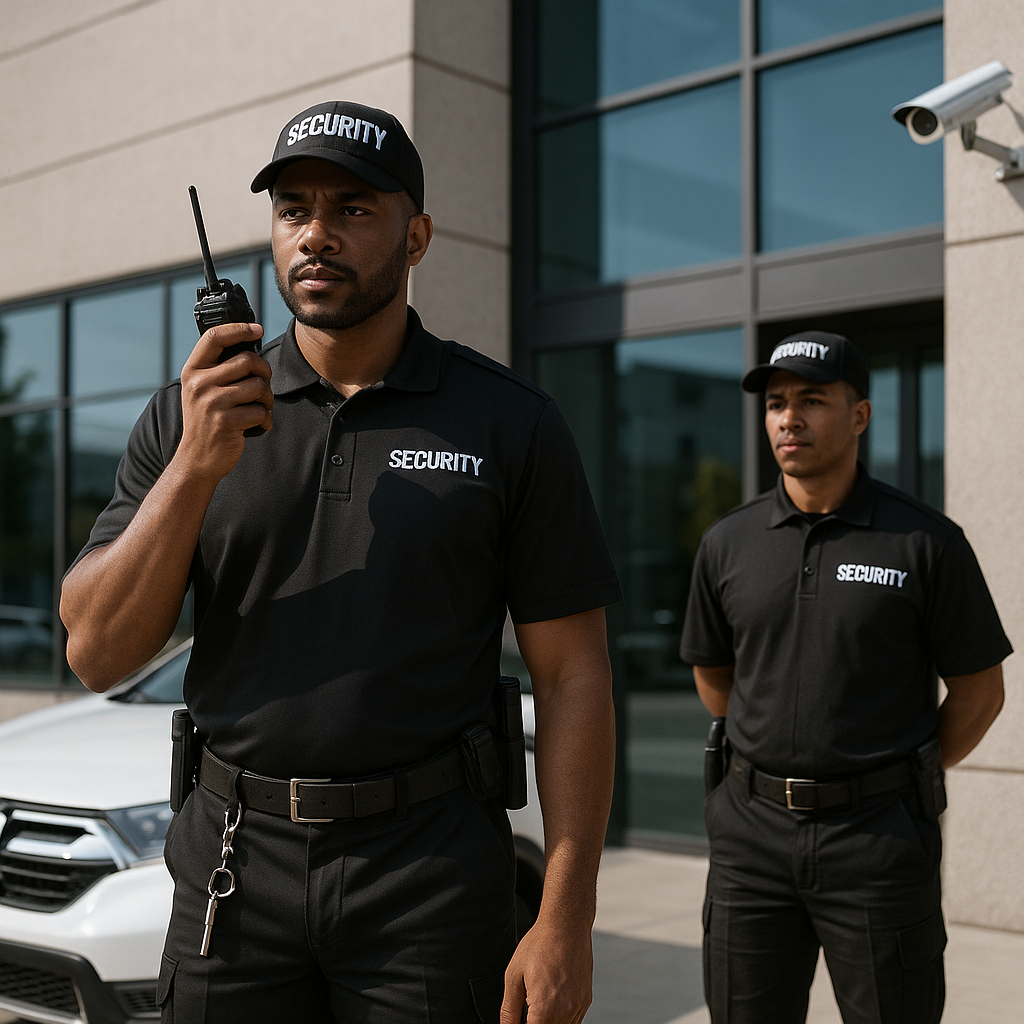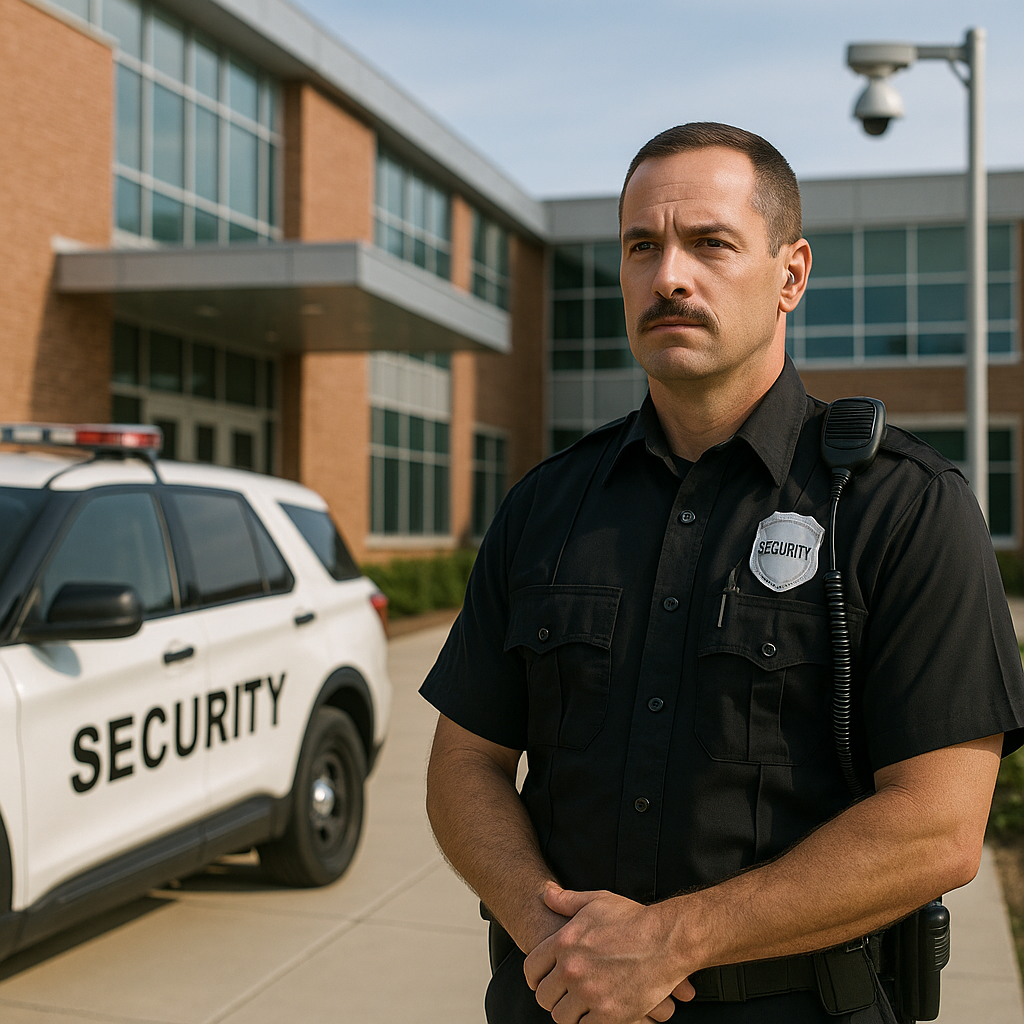
Southern California's Residential Community Security Experts
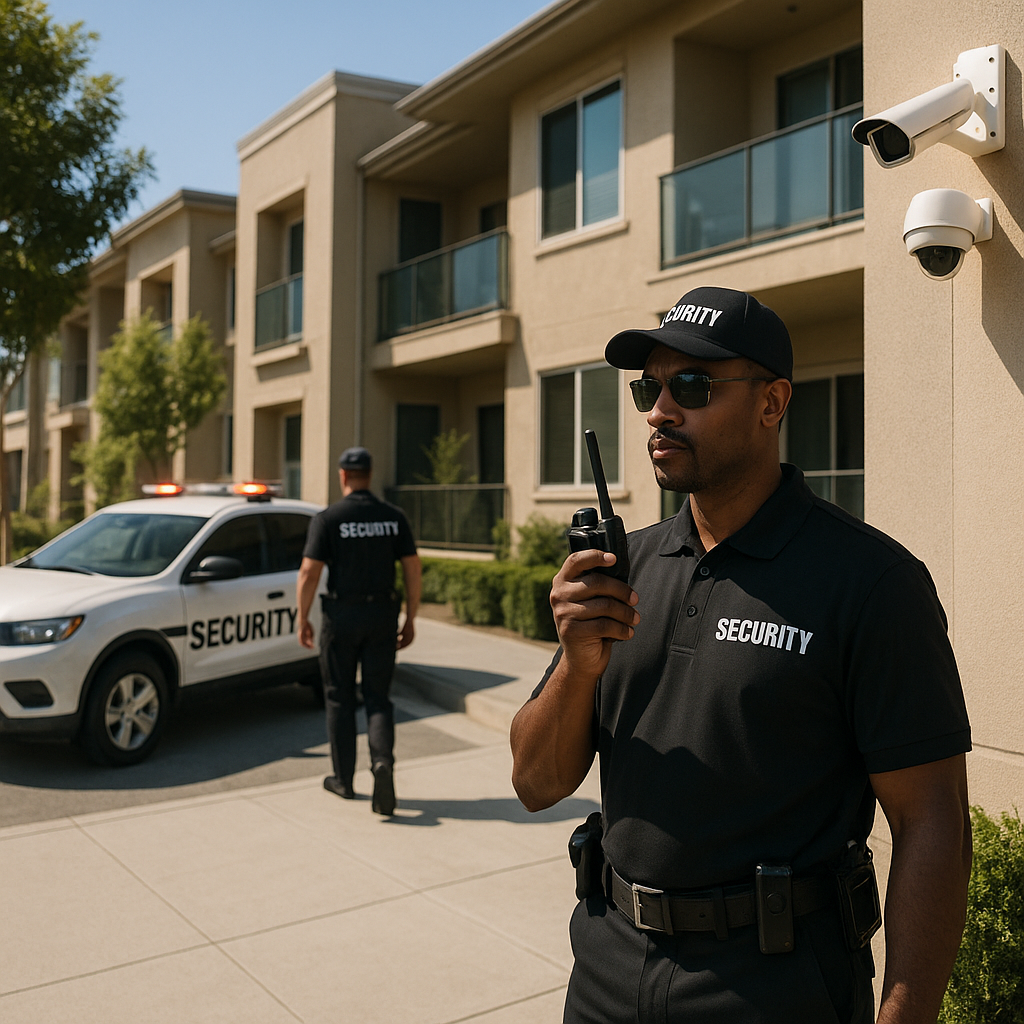
Setting the Standard for Community Security in Southern California
Southern California's Residential Community Security Experts understand that emergency preparedness is not a side issue for HOAs, gated communities, apartment complexes, country clubs, and luxury residential properties. It is a core operational responsibility that protects lives, preserves property, limits liability, and keeps communities functioning under pressure. CSI Ceja Security Inc. delivers structured, professional security planning for residential environments across Southern California, helping boards, managers, and residents prepare for active threats, fire evacuations, medical emergencies, severe weather, power outages, and broader disaster scenarios.
Emergency readiness in a residential community requires more than a written policy sitting in a binder. It demands trained personnel, clear communication channels, site-specific protocols, access control discipline, and calm leadership during high-stress events. That is why property leaders throughout the Coachella Valley and surrounding regions rely on specialized security support designed for residential operations.
CSI Ceja Security Inc., PPO #120360, serves communities from Indio and Palm Desert to broader Southern California markets with a clear focus on community protection. Our expertise goes beyond placing officers on-site. We help residential properties build practical preparedness systems that work in the real world.
Why Emergency Preparedness Matters in Residential Communities
Residential communities face unique risks because they combine private living spaces, shared amenities, visitors, vendors, staff, and multiple access points. In a single day, a property may process guest arrivals, package deliveries, contractor check-ins, pool activity, clubhouse use, and routine patrol operations. When an emergency happens, that normal traffic can quickly turn into confusion if procedures are not already established.
Luxury communities and HOA-managed properties have even higher expectations. Residents expect security, privacy, order, and rapid coordination when something goes wrong. A delayed response to a gate breach, a medical event at the clubhouse, or a fire alarm in a multifamily building can damage trust as much as the incident itself.
Preparedness also protects the association or ownership group from unnecessary exposure. Clear protocols, incident documentation, role assignment, and professional oversight create a more defensible and effective response framework. For communities that want to operate at a higher standard, preparedness is not optional.
Southern California's Residential Community Security Experts on Active Threat Response
Active threat response is one of the most critical and sensitive areas of residential security planning. Gated communities, clubhouses, leasing offices, parking structures, and shared amenities can all become vulnerable if a threat actor enters the property or targets residents, staff, or visitors. Communities need a plan that prioritizes life safety, rapid communication, and immediate coordination with law enforcement.
The first step is controlling access. Strong gatehouse procedures, visitor verification, vendor management, and patrol visibility reduce opportunities for unauthorized entry. Communities that want to strengthen their front-end security should align access procedures with proven gated community visitor management best practices and clearly define officer expectations.
Key components of an active threat plan
An effective plan defines who makes notifications, how residents are alerted, where shelter locations exist, and how responding officers or staff relay information to first responders. It also addresses lockdown procedures for gates, clubhouses, fitness centers, and administrative offices. Every minute matters in a fast-moving incident.
On-site personnel must understand observation, reporting, de-escalation, and scene management responsibilities. Communities benefit from trained professionals who know how to secure perimeters, direct people away from danger, preserve access for emergency responders, and document developments accurately. For many communities, this support starts with professional Residential & HOA Security tailored to site-specific risks.
Why rehearsals matter
Even a strong written plan will fail if nobody has practiced it. Tabletop exercises and property-specific walkthroughs help managers and board leaders identify weak points before a real event occurs. Entry gates, radio coverage, resident alerting tools, and assembly points should all be tested under realistic conditions.
Fire Evacuation Planning for HOAs and Residential Properties
Fire emergencies create immediate life-safety threats and often require large-scale movement of residents, guests, and staff. In multifamily buildings, townhome communities, and club environments, smoke, blocked access routes, and panic can escalate risk quickly. A proper fire evacuation plan must be clear, accessible, and repeatable.
Communities should identify evacuation routes, assembly areas, gate override procedures, and methods for accounting for staff and vendors. Officers and site teams need to know how to direct traffic, maintain access for fire apparatus, and keep residents from re-entering dangerous areas. The more complex the property, the more important organized coordination becomes.
Important fire evacuation considerations
Luxury communities often have clubhouses, spas, fitness centers, golf facilities, underground parking, and detached casitas or guest units. Each space may require its own evacuation guidance. Fire alarm activation should trigger a predefined response sequence that includes internal communication, emergency contact escalation, and perimeter management.
Communities undergoing development or renovation should also review risks tied to temporary hazards, contractor activity, and material storage. Properties with active projects may benefit from integrating lessons from construction site theft prevention planning, since construction zones can complicate evacuation and access control.
Medical Emergencies Require Fast, Organized Response
Medical incidents are among the most common emergencies in residential communities, especially in active adult neighborhoods, country clubs, luxury developments, and properties with seasonal residents. Cardiac events, falls, heat-related illness, pool injuries, and mobility-related emergencies can happen without warning. The quality of the first few minutes often shapes the outcome.
A strong response plan should define how on-site personnel receive the call, where AEDs are located, which entrances emergency medical services should use, and who meets paramedics at the gate or building entrance. Delays caused by poor directions, locked amenities, or incomplete resident information can be avoided with proper planning.
Medical readiness essentials
Communities should maintain updated site maps, emergency contact protocols, and access instructions for first responders. Gate officers or patrol personnel must know how to expedite entry, guide units to the exact location, and control crowds. This is where clearly defined gatehouse security officer responsibilities directly support emergency performance.
Properties should also consider resident demographics, high-use amenity areas, and seasonal population changes. During peak occupancy periods, response plans may need additional staffing, stronger communication protocols, and more frequent patrol visibility.
Southern California's Residential Community Security Experts on Severe Weather and Power Outages
Southern California communities may not face the same weather profile as other parts of the country, but severe weather still creates serious operational challenges. High winds, extreme heat, heavy rain, flash flooding, dust storms, and occasional storm-related disruptions can impact gates, roads, lighting, alarms, and resident safety. Power outages often follow, adding another layer of complexity.
Residential communities need continuity plans that address how the property operates when technology fails. If phones, cameras, access systems, or gate motors go down, staff still need a safe and orderly process for entry control, patrol coverage, and resident communication. Backup procedures should be written, simple, and tested.
Planning for weather-related disruptions
Preparedness starts with identifying vulnerable areas such as low-lying roads, aging gate systems, exposed landscaping, poorly lit walkways, and high-demand facilities. Communities should establish manual gate procedures, emergency contact trees, and temporary traffic control plans. Management should also know how to communicate restrictions, closures, or safety warnings to residents quickly.
Visible patrol support becomes especially important during outages and storms. Communities often use Mobile Patrol Services to check common areas, monitor utility-related issues, inspect perimeter conditions, and reassure residents when normal systems are disrupted.
Maintaining order during outages
Power outages can lead to elevator issues, dark parking areas, disabled surveillance, malfunctioning access systems, and resident concern about crime opportunities. A strong outage plan addresses all of these issues in advance. It should assign roles for lighting checks, gate coverage, amenity shutdowns, incident logging, and after-hours communication.
For luxury communities, maintaining calm and preserving privacy during a disruption is just as important as restoring routine operations. Residents expect professional, organized handling, not improvised reactions.
Disaster Planning for HOAs and Community Associations
Disaster planning for HOAs must go beyond immediate incident response. It should address continuity of operations before, during, and after a major emergency. Earthquakes, regional utility failures, wildland fire threats, civil unrest, and large-scale evacuations can all affect residential communities across Southern California.
Boards and managers need a written framework that identifies responsibilities, critical assets, communication methods, vendor coordination, and recovery priorities. This framework should also clarify how the community interfaces with law enforcement, fire agencies, emergency medical services, restoration vendors, and insurance stakeholders.
Core elements of a complete HOA disaster plan
A complete plan includes contact rosters, resident notification procedures, command structure, gate and perimeter protocols, key holder information, vendor access procedures, and documentation standards. It should also account for vulnerable residents, pet considerations, amenity shutdowns, and post-incident reentry procedures. Without these details, even well-intentioned communities struggle during large events.
For properties seeking a broader security strategy, reviewing guidance like how to choose the right security company in California can help boards evaluate whether their current preparedness partner is truly equipped for residential community operations.
The role of drills and updates
Disaster plans should be reviewed at least annually and after any significant incident. Leadership changes, vendor turnover, technology upgrades, and population shifts all affect readiness. Communities that do not update plans regularly create avoidable weaknesses.
Drills build confidence and reveal operational gaps. Evacuation exercises, communication tests, and access-control scenarios are essential for communities that want a credible emergency readiness program rather than a paper-only plan.
Luxury Community Operations Demand a Higher Standard
The content gap in residential security is real, and most providers do not own it. Many companies talk generically about guards, patrols, and alarm response. Very few address the actual operating realities of luxury communities, gated neighborhoods, private clubs, high-end multifamily properties, and seasonal residential populations. That is exactly why CSI Ceja Security Inc. is positioned as Southern California's Residential Community Security Experts.
Luxury community operations require more nuance than standard security coverage. The work involves gatehouse etiquette, discreet resident interaction, amenity monitoring, contractor control, delivery management, event support, parking oversight, and privacy protection. Emergency preparedness must fit that environment without disrupting the resident experience.
Where specialization makes the difference
Communities need personnel and planning that understand resident expectations, board governance, vendor access, and the reputational value of a well-run property. A front gate is not just an entry point. It is the first impression of the community. A clubhouse event is not just a gathering. It is a liability environment that requires structure and oversight.
This specialization becomes even more important in destination markets like Palm Springs, Palm Desert, Rancho Mirage, and surrounding luxury communities where seasonal occupancy, guest traffic, and high-value assets create complex security demands. Boards and managers need a partner who understands that environment at an operational level.
Everyday Residential Risks With Emergency Impact
Not every crisis begins as a dramatic event. Many emergency situations grow out of everyday operational issues that were left unmanaged. Poor contractor screening, uncontrolled deliveries, unsecured amenities, election disputes, crowded private events, and weak parking enforcement can all trigger incidents that escalate quickly.
That is why residential community security expertise must extend into daily operations. Managing contractors inside gated communities, protecting HOA amenities, securing private club events, balancing resident privacy with safety, and maintaining order during snowbird season are all part of the same risk-management ecosystem. Communities that handle routine operations well are far more resilient when real emergencies occur.
Examples of operational areas that deserve planning
Boards should evaluate gatehouse etiquette and visitor screening, vendor and contractor check-in protocols, election and board meeting security, package and delivery procedures, amenity access rules, and golf cart safety within country club environments. Seasonal surges in guests and short-term occupants should also trigger temporary adjustments in patrol, access control, and communication.
For properties hosting resident gatherings, fundraisers, or club functions, structured support from Event Security Services can help maintain order, protect guests, and reduce preventable incidents without compromising the community atmosphere.
Building Authority in Residential Community Security
CSI Ceja Security Inc. is not competing to be seen as just another security guard company. Our position is clear: we are Southern California's Residential Community Security Experts. That distinction matters because residential communities need a provider that understands the rhythm, complexity, and expectations of HOA and luxury property operations.
We build authority through specialization, not generic promises. Our approach is based on access control discipline, resident-focused service, emergency readiness, incident reporting, patrol visibility, and operational planning tailored to how communities actually function. That is what boards, property managers, apartment owners, private clubs, and luxury homeowners need from a true security partner.
From daily gate operations to disaster preparedness, from medical incident coordination to evacuation planning, CSI Ceja Security Inc. delivers the structured expertise communities rely on. For consultation and community security planning, contact us at 760-972-0000, email info@csiceja.com, or visit csiceja.com.
Frequently Asked Questions
What makes CSI Ceja Security Inc. different for HOA and residential communities?
CSI Ceja specializes in residential community operations, including gated access control, amenity protection, patrol coverage, emergency planning, and resident-focused security procedures. Our expertise is built around the real needs of HOAs, luxury communities, apartment properties, and private residential environments.
Why is emergency preparedness important for gated communities?
Emergency preparedness allows a community to respond faster, communicate clearly, reduce confusion, and protect lives during incidents such as fires, medical emergencies, active threats, severe weather, and power outages. It also helps boards and managers reduce liability and maintain operational continuity.
Can CSI Ceja help with disaster planning for HOAs?
Yes. CSI Ceja helps communities develop practical disaster planning measures, including communication protocols, access control procedures, evacuation planning, emergency coordination, and post-incident recovery support tailored to the property.
What types of residential properties benefit from specialized security planning?
HOAs, gated communities, country clubs, condominium associations, luxury apartment communities, private residential enclaves, and seasonal occupancy properties all benefit from specialized planning. Any property with shared spaces, controlled access, residents, guests, and vendors needs a structured security approach.
Do power outages and severe weather require a separate security plan?
Yes. Power outages and weather-related disruptions affect gates, lighting, surveillance, communication, and patrol operations. A separate continuity plan ensures the community can maintain order, control access, and communicate effectively when normal systems are compromised.
Ready to Protect Your Property?
Contact CSI Ceja Security Inc. today for a free security consultation. Our licensed professionals are ready to create a custom security plan for your needs.
Request a Free Quote