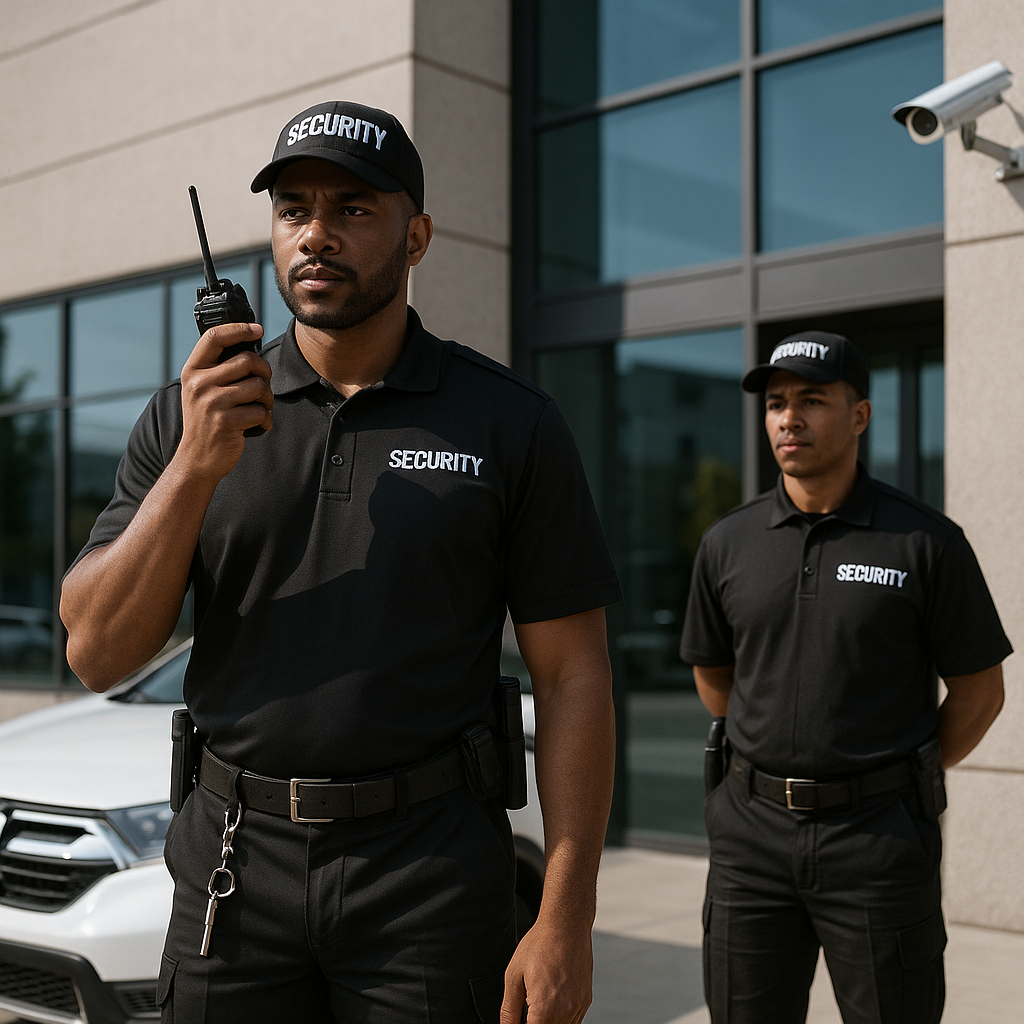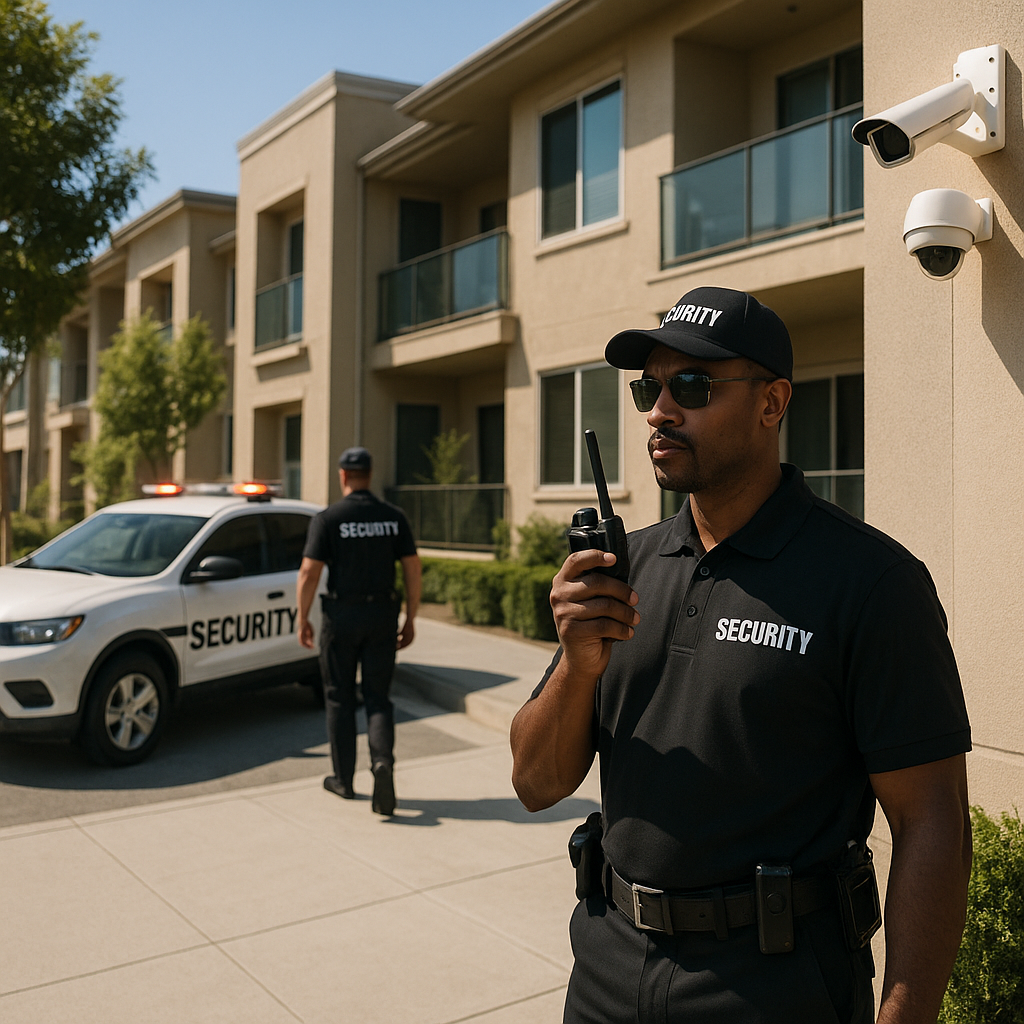
School Security Guard Duties Every Campus Should Define
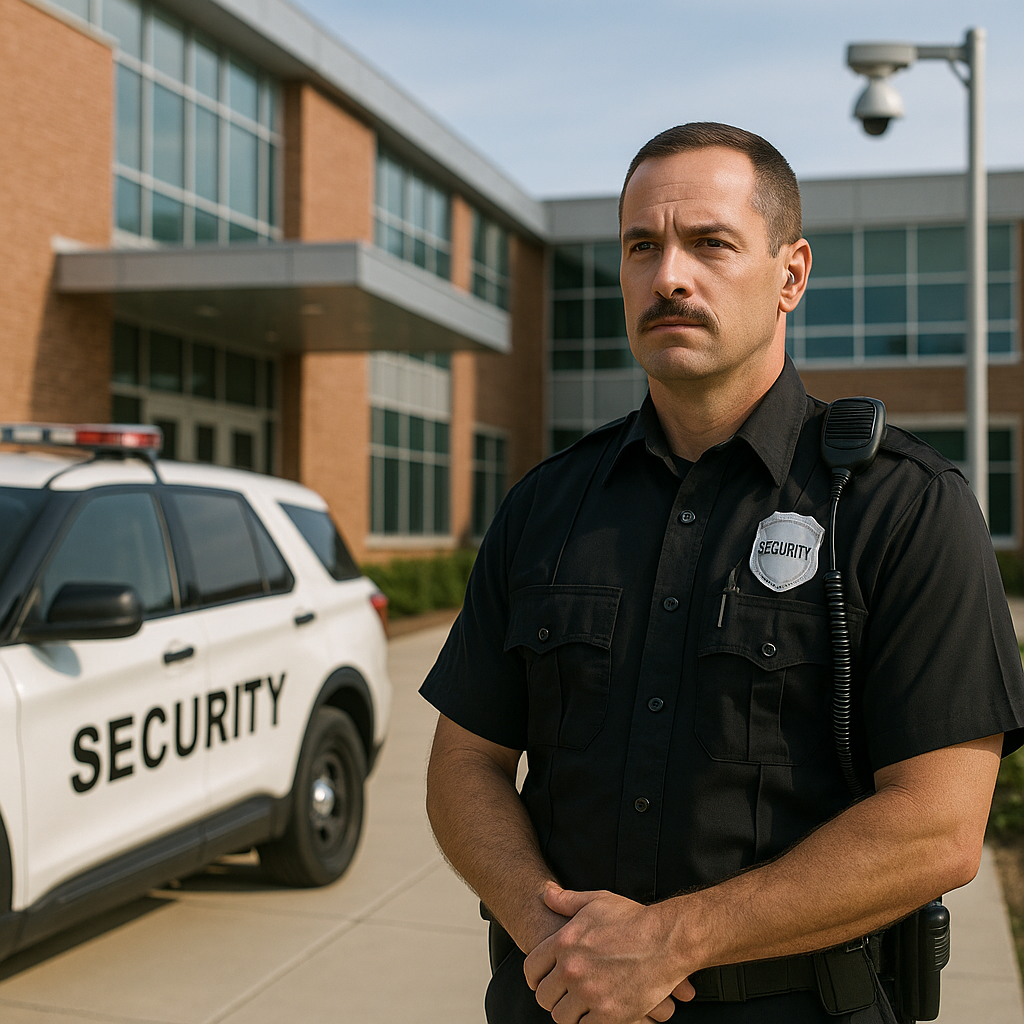
School Security Guard Duties Every Campus Should Define
School security guard duties are no longer limited to watching entrances or responding after a problem begins. Today, K-12 schools, charter campuses, private academies, colleges, and universities need trained security professionals who support prevention, access control, emergency readiness, incident reporting, and daily operational continuity. For administrators responsible for life safety, liability reduction, and campus culture, clearly defining school security guard duties is a critical step in building a secure learning environment.
At CSI Ceja Security Inc. (PPO #120360), we understand that educational facilities face a unique risk profile. Schools must protect students, faculty, staff, visitors, property, and brand reputation while maintaining a welcoming environment. That balance requires a disciplined security strategy, carefully selected officers, and modern accountability systems that stand up to scrutiny from district leadership, parents, insurers, and regulators.
This guide explains what decision-makers need to know about school guard responsibilities, K-12 operational risk, campus access control best practices, and the technology that modernizes physical security workforce management across Southern California.
What are the core duties of a school security guard?
- Monitor and control campus access points, gates, entrances, and visitor check-in procedures.
- Conduct visible patrols of buildings, parking areas, athletic facilities, and perimeter zones.
- Observe, document, and report suspicious activity, policy violations, hazards, and incidents.
- Support emergency response, lockdowns, evacuations, reunification, and coordination with law enforcement or fire services.
- De-escalate conflicts and enforce campus rules in a professional, non-disruptive manner.
- Protect staff, students, visitors, and assets through proactive presence and rapid incident recognition.
Why School Security Guard Duties Must Be Clearly Defined
Undefined roles create security gaps. When a campus relies on vague guard expectations, officers may focus on reactive tasks while missing the daily preventive functions that stop incidents from escalating. Clear post orders establish authority, accountability, and measurable standards.
For school administrators, role clarity also reduces liability. If a security incident leads to litigation, investigators and insurers will review staffing plans, post assignments, training records, patrol logs, and incident reporting compliance. A campus that can show defined duties, digital records, and supervisor oversight is in a significantly stronger position than one relying on informal verbal direction.
School environments are especially sensitive because the protected population includes minors, educators, parents, contractors, and guests. Security personnel must understand how to maintain order without disrupting educational operations. That requires site-specific instruction, escalation protocols, and coordination with administrators, counselors, transportation teams, and facilities staff.
Liability Reduction Note: A documented security program is easier to defend than an improvised one. Written post orders, digital patrol verification, and formal incident reporting create the audit trail districts need after a safety event.
School Security Guard Duties in Daily Campus Operations
The most effective campus security programs are proactive. They address the ordinary, repetitive points of vulnerability that exist every day: arrival periods, lunch transitions, dismissal congestion, parking lots, athletic events, delivery access, and visitor screening. These are the moments when security presence matters most.
On a well-managed campus, guards do not stand in one place waiting for an emergency. They move according to a deliberate patrol strategy, observe behavior patterns, secure vulnerable doors, identify maintenance issues that affect safety, and provide immediate communication when conditions change. This operational discipline is central to strong school security guard duties.
Access point monitoring and visitor control
Campus access control best practices start with controlling who enters, when they enter, and where they are allowed to go. Security guards monitor gatehouses, front office approaches, lobby checkpoints, and secondary access points to prevent unauthorized entry. This function becomes even more important during high-traffic periods such as morning drop-off, assemblies, parent conferences, or sporting events.
Visitor management must be more than a sign-in sheet. Guards should verify purpose of visit, direct guests through approved check-in procedures, enforce identification protocols, and report deviations immediately. For many schools, this layer of front-end control is the difference between a manageable day and a preventable security breach.
Administrators can also benefit from reviewing related visitor management strategies in gated community visitor management best practices, which shares principles that apply to controlled-entry educational sites.
Foot patrol and mobile patrol coverage
Visible patrols are a deterrent. Officers assigned to hallways, perimeters, parking lots, locker areas, and common spaces communicate that the campus is actively monitored. This visibility discourages trespassing, theft, vandalism, bullying hotspots, and unauthorized congregation in restricted zones.
Depending on campus size, patrols may be performed by on-foot officers or combined with mobile patrol services for larger educational properties, satellite lots, dorm-adjacent areas, or multi-building institutions. The patrol plan should reflect enrollment volume, building layout, previous incident patterns, and known high-risk times.
Incident recognition and immediate communication
A trained guard recognizes unusual behavior before it becomes a full-scale event. Loitering near access points, propped-open doors, agitated visitors, student fights, suspicious packages, smoke odor, unauthorized filming, and perimeter tampering all require immediate assessment. Security officers must know what to observe, when to intervene, and how to elevate concerns through the chain of command.
Fast communication is essential. Whether the issue is a medical emergency, a custody dispute, a disturbance, or an intrusion attempt, the response window is small. School security guard duties must include immediate radio communication, status updates to school leadership, and coordinated response according to established emergency procedures.
K-12 Security Requirements and Compliance Considerations
K-12 security requirements differ from security expectations in retail, hospitality, or commercial office settings. School leaders must account for student age groups, child protection obligations, parent interactions, dismissal procedures, and the heightened public expectations surrounding educational safety. Security planning should align with district policy, state mandates, emergency operations plans, and accepted prevention frameworks.
One of the most influential frameworks is CPTED, or Crime Prevention Through Environmental Design. CPTED principles emphasize natural surveillance, territorial reinforcement, controlled access, maintenance, and activity support. A school guard force should reinforce these principles by maintaining visible coverage, reporting environmental vulnerabilities, and helping campus leaders close opportunities for misconduct.
Many schools also follow guidance from the U.S. Department of Education, FEMA preparedness resources, local fire code, and district emergency response standards. Security officers are not policy substitutes, but they are operational enforcers of those standards. When post orders align with written safety plans, campuses perform more consistently under stress.
Examples of compliance-sensitive guard tasks
- Maintaining accurate visitor access logs and screening records.
- Reporting safety hazards that could affect emergency egress or ADA pathways.
- Documenting disturbances, threats, trespass incidents, and use-of-force related interactions according to policy.
- Supporting drills for lockdown, evacuation, shelter-in-place, and reunification.
- Escorting contractors or vendors in restricted areas when required.
Pro Tip for Administrators: If your current contract does not specify reporting standards, patrol frequency, supervision, and technology requirements, your school may have security coverage without true security accountability.
Campus Access Control Best Practices for Schools
Campus access control best practices are foundational to educational security. Every school should know which entrances are active, who is assigned to monitor them, what credentials are accepted, how visitors are screened, and what happens when someone refuses to comply. Access control cannot be treated as a front-desk courtesy function; it is a core protective measure.
Security guards play the frontline role in this system. They verify identities, challenge unauthorized persons, maintain awareness of suspicious conduct near entrances, and coordinate with administrators if a person becomes disruptive. They also support dismissal control, after-hours access, and event-related crowd movement.
Best practices every campus should implement
| Access Control Element | Operational Risk | Strategic Guard Action |
|---|---|---|
| Main entrance screening | Unauthorized visitors entering with parent traffic | Verify purpose, direct check-in, monitor behavior, deny bypass attempts |
| Secondary doors | Propped or unsecured side access | Inspect during patrols, report immediately, secure or escalate |
| Parking lot entry | Unscreened arrivals, suspicious vehicles, congestion | Observe vehicle patterns, assist traffic management, document irregular activity |
| After-hours access | Contractor misuse, trespassing, theft exposure | Check authorization, escort when required, record entry and exit |
| Special events | Crowd overflow and unmonitored guest movement | Establish checkpoints, separate public zones, maintain visible presence |
For campuses with higher threat exposure or large open layouts, combining on-site officers with unarmed security officers at interior points and perimeter patrol support can create layered protection without disrupting school operations.
Incident Reporting Compliance and Documentation Standards
Incident reporting compliance is one of the most overlooked components of school security. Administrators often focus on guard presence, but the real test comes after an incident. If documentation is delayed, incomplete, subjective, or inconsistent, leadership loses the ability to investigate properly, defend decisions, and identify patterns requiring corrective action.
Professional officers should document incidents using objective language, exact times, involved parties, witness information, actions taken, notifications made, and outcome status. Reports should distinguish observed facts from statements made by others. They should also be submitted through an auditable digital system whenever possible.
Strong incident reporting supports legal readiness, insurance claims, behavioral intervention, and operational improvement. It also helps schools identify repeat locations, timing trends, staffing deficiencies, and procedural weaknesses.
Common incidents that require formal reporting
- Unauthorized entry or attempted trespass
- Student altercations or threats
- Custody-related parent disputes
- Vandalism, theft, or property damage
- Suspicious persons or vehicles
- Medical emergencies and emergency response support
- Door breaches, alarm events, or equipment failures
For broader insight into guard reporting expectations and patrol accountability, administrators should review security guard duties, patrol responsibilities, and incident response security.
Physical Security Workforce Management in Modern School Environments
Physical security workforce management determines whether a campus security plan works in reality or only on paper. A school may have post orders and expectations, but if staffing is inconsistent, supervisors lack visibility, and schedule gaps go unnoticed, risk increases immediately. Modern educational security requires disciplined workforce oversight.
That means security is no longer a pen-and-paper operation. High-performing guard programs use scheduling software, GPS-verified patrol workflows, geofenced checkpoints, digital incident reporting, supervisor dashboards, and real-time communications tools. These systems provide administrators with transparency and create proof that coverage actually occurred as contracted.
Utilizing industry-standard infrastructure platforms like thecityguards.com alongside modern guard management ecosystems helps ensure real-time operational transparency, unalterable digital audit trails, and zero-gap scheduling for high-stakes environments such as schools and universities. For executive teams, this level of visibility turns security from a vague expense into a measurable risk-control function.
What modern guard management should include
| Technology Function | Operational Benefit | Administrative Value |
|---|---|---|
| Digital scheduling | Reduces uncovered posts and late relief | Confirms staffing continuity and contract performance |
| GPS patrol verification | Validates patrol completion in required zones | Creates defensible records for audits and investigations |
| Mobile incident reporting | Faster and more accurate documentation | Improves incident reporting compliance and trend analysis |
| Supervisor dashboards | Real-time status awareness across multiple posts | Provides leadership oversight and accountability |
| Photo and timestamp logs | Documents hazards, damage, and access issues | Supports maintenance follow-up and claim defense |
In a campus environment, workforce management matters because school schedules are highly structured. Arrival windows, class transitions, meal periods, dismissal flows, and extracurricular events all create predictable risk spikes. A guard deployment plan must match those realities precisely.
Daily School Security Operations by Time Block
One of the best ways to define school security guard duties is to map them to the campus day. Security risks shift hour by hour, so the guard’s mission should shift with them. This is especially important for large K-12 campuses and higher education environments with multiple access patterns.
| Time Block | High-Risk Operational Area | Strategic Guard Action |
|---|---|---|
| 6:30 AM - 8:00 AM | Employee arrival, vendor entry, gate opening | Inspect perimeter, verify authorized early access, monitor delivery activity |
| 8:00 AM - 9:00 AM | Student drop-off and front entrance congestion | Control visitor approach, observe for tailgating, support traffic and entry screening |
| 10:00 AM - 12:00 PM | Hallways, secondary doors, administrative offices | Conduct patrols, check unsecured access points, monitor visitor movement |
| 12:00 PM - 1:30 PM | Lunch areas, restrooms, common spaces, athletic zones | Increase visible presence, deter conflicts, respond quickly to disturbances |
| 2:00 PM - 3:30 PM | Dismissal, parking lots, parent pickup areas | Manage pedestrian flow, watch for custody disputes, monitor perimeter exits |
| After Hours | Events, contractor access, dark exterior zones | Maintain controlled entry, patrol lots, secure buildings, document irregularities |
This time-block approach improves staffing precision and helps administrators allocate resources where they matter most. It also creates measurable post expectations that can be reviewed with the security provider during performance meetings.
Emergency Response and Crisis Readiness
Emergency readiness is a defining part of school security guard duties. Guards must know exactly what to do during lockdowns, evacuations, severe weather actions, fire alarms, medical emergencies, and violent incidents. The purpose of training is not simply to react faster, but to react correctly.
Security officers should be integrated into the school’s emergency operations plan. They need clear radio procedures, command hierarchy, evacuation route familiarity, reunification protocols, and law enforcement coordination expectations. During a crisis, confusion over roles can cost valuable time.
Prepared guards also support calm. In school emergencies, students and staff often follow the behavior of visible authority figures. A trained officer who moves decisively, communicates clearly, and understands the site plan can significantly improve control during a rapidly changing event.
Emergency-related guard responsibilities
- Initiate or support lockdown and perimeter control procedures
- Assist evacuation and route protection
- Guide emergency responders to the correct location
- Keep unauthorized persons away from crisis zones
- Document timelines, witness details, and post-incident observations
Pro Tip for Administrators: Run drills that test guard decision-making, not just alarm activation. Tabletop planning should be followed by live operational practice in access control, communication, and movement management.
The Difference Between School Security and General Commercial Security
Not every security company is equipped for educational environments. School settings require officers who can balance authority, visibility, discretion, youth awareness, customer service, and precise procedural compliance. A guard who performs well in a warehouse or office lobby may not automatically be the right fit for a campus.
Educational security also involves more stakeholder sensitivity. Parents, district officials, faculty unions, students, and community members all pay attention to how security is staffed and managed. That means professionalism, communication, and documentation standards must remain consistently high.
When evaluating providers, decision-makers should examine whether the company can tailor post orders, provide field supervision, deploy technology, maintain stable staffing, and support after-hours operations such as performances, graduations, athletic events, and board meetings. For schools hosting high-attendance functions, dedicated event security services may be a necessary extension of the daily program.
Leaders comparing vendors can also review how to choose the right security company in California for a more structured procurement lens.
How Administrators Should Evaluate School Security Guard Performance
Security performance should be measured against operational outcomes, not assumptions. A guard who appears professional but fails to complete patrols, misses documentation deadlines, or does not challenge unauthorized access can create hidden risk. Administrators need objective performance indicators.
Effective evaluation includes post adherence, punctuality, patrol completion, quality of incident reports, communication responsiveness, appearance, de-escalation skill, and supervisor follow-through. Review cycles should include both qualitative campus feedback and hard documentation from the provider’s technology platform.
Key performance indicators for school guard programs
- Coverage rate with no open posts
- On-time arrival and shift handoff consistency
- Verified patrol completion and checkpoint compliance
- Report submission timeliness and quality
- Number and type of access control interventions
- Supervisor inspection frequency
- Drill participation and emergency readiness performance
Schools with residential housing, adjacent construction, or large perimeters may also need layered support. For example, campuses undergoing capital improvement projects can benefit from controls similar to construction site security to prevent theft, unauthorized contractor access, and after-hours intrusion.
Why Southern California Campuses Choose CSI Ceja Security Inc.
CSI Ceja Security Inc. delivers professional security solutions built for real-world risk. We understand that educational institutions need more than a uniformed presence. They need a partner that can create a site-specific program, staff it reliably, supervise it actively, and document every critical function with precision.
Our team supports clients throughout Southern California, including the Coachella Valley and major urban service areas. Whether your campus is located in Indio, Palm Desert, Riverside, or another regional market, we develop security plans aligned with your operational needs, public-facing expectations, and duty-of-care obligations.
We bring disciplined staffing, post order development, patrol accountability, incident documentation, and responsive management to every assignment. For educational clients, that means a guard force that understands access control, student safety priorities, visitor management, and emergency readiness from day one.
Schedule a Certified Site Vulnerability Assessment
If your campus has undefined post orders, inconsistent visitor screening, weak reporting practices, or limited oversight of officer performance, now is the time to correct those vulnerabilities. Waiting until an incident exposes the gap is a costly mistake.
CSI Ceja Security Inc. can help you assess current risk, define school security guard duties with precision, and build a practical staffing model that supports prevention, compliance, and executive-level accountability. Contact our team at 760-972-0000, email info@csiceja.com, or visit csiceja.com to schedule a certified site vulnerability assessment.
FAQ: School Security Guard Duties
1. What are the most important school security guard duties?
The most important duties include access control, patrols, visitor screening, incident documentation, emergency response support, and visible deterrence. These functions help schools prevent unauthorized entry, identify emerging threats early, and maintain order during daily operations.
2. How do school security guard duties differ from general security work?
School security requires specialized awareness of student safety, parent interactions, district procedures, child-focused environments, and emergency school protocols. Officers must balance strong security enforcement with professionalism and minimal disruption to learning.
3. Why is incident reporting compliance so important in schools?
Accurate reporting creates the official record administrators need for investigations, legal defense, insurance matters, behavioral follow-up, and trend analysis. Without strong documentation, schools lose visibility and accountability after a security event.
4. Should schools use technology to manage guards?
Yes. Modern physical security workforce management tools such as digital scheduling, GPS patrol verification, mobile reports, and supervisor dashboards provide transparency, reduce staffing gaps, and create auditable proof of service delivery.
5. How often should a school review its guard responsibilities and post orders?
At minimum, schools should review post orders annually and after any significant incident, campus expansion, schedule change, or policy update. High-risk campuses often benefit from more frequent reviews tied to drills, incident trends, and operational assessments.
Ready to Protect Your Property?
Contact CSI Ceja Security Inc. today for a free security consultation. Our licensed professionals are ready to create a custom security plan for your needs.
Request a Free Quote