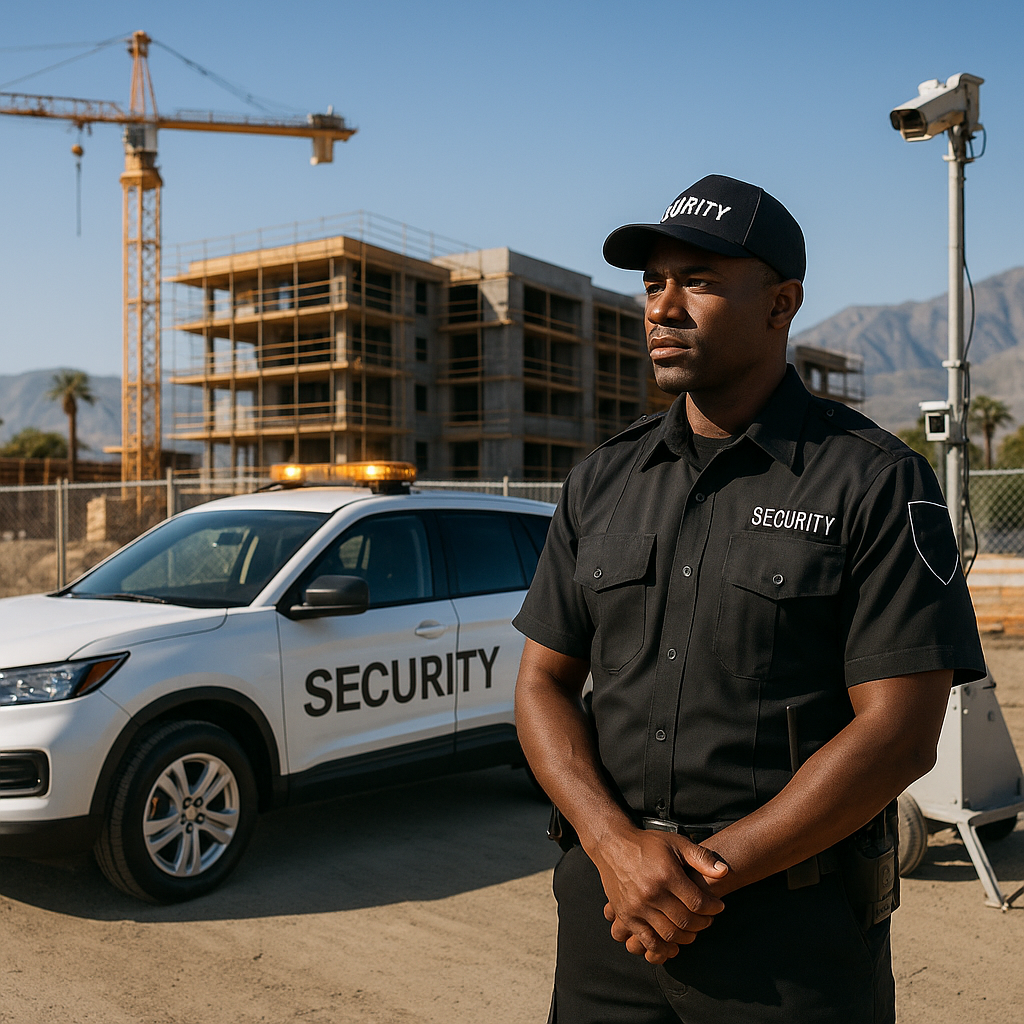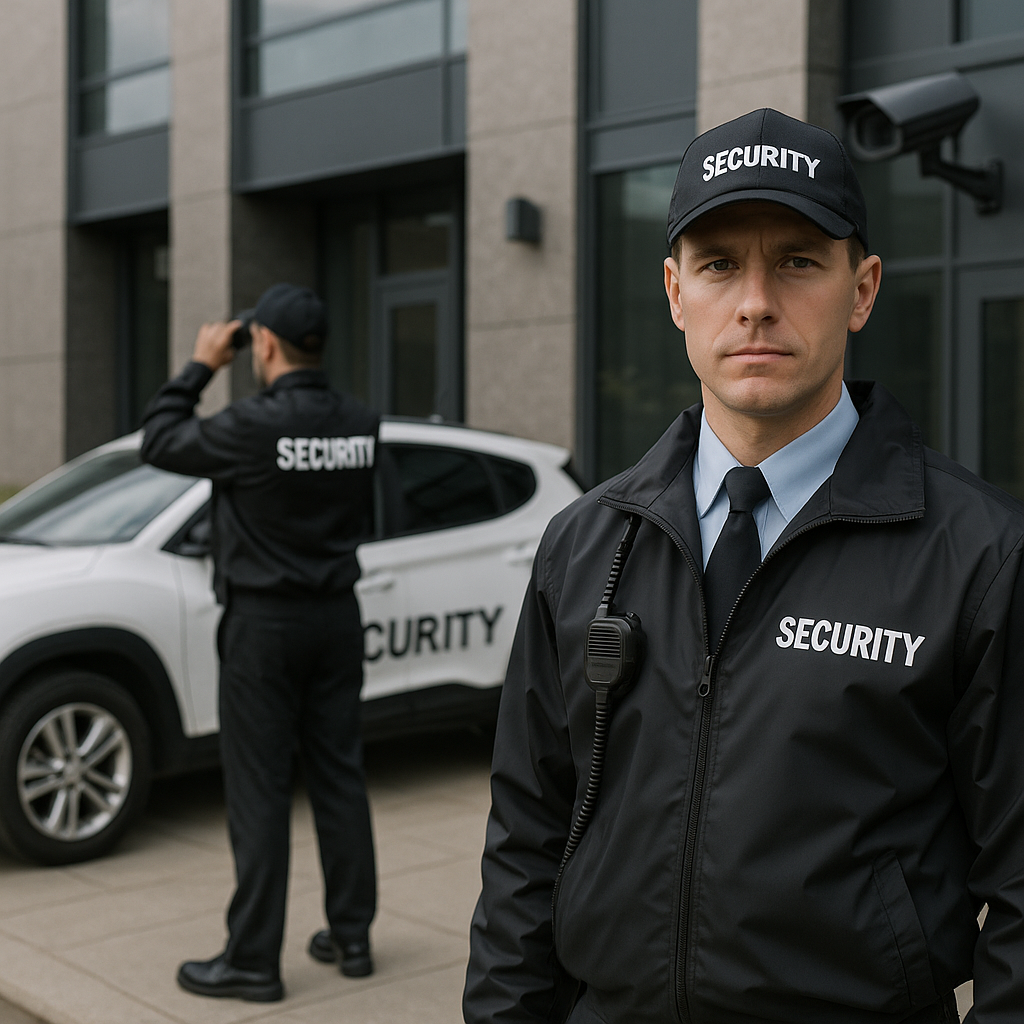
Security Guard Duties, Patrol Responsibilities, Incident Response Security: security guard duties,patrol responsibilities,Incident response security
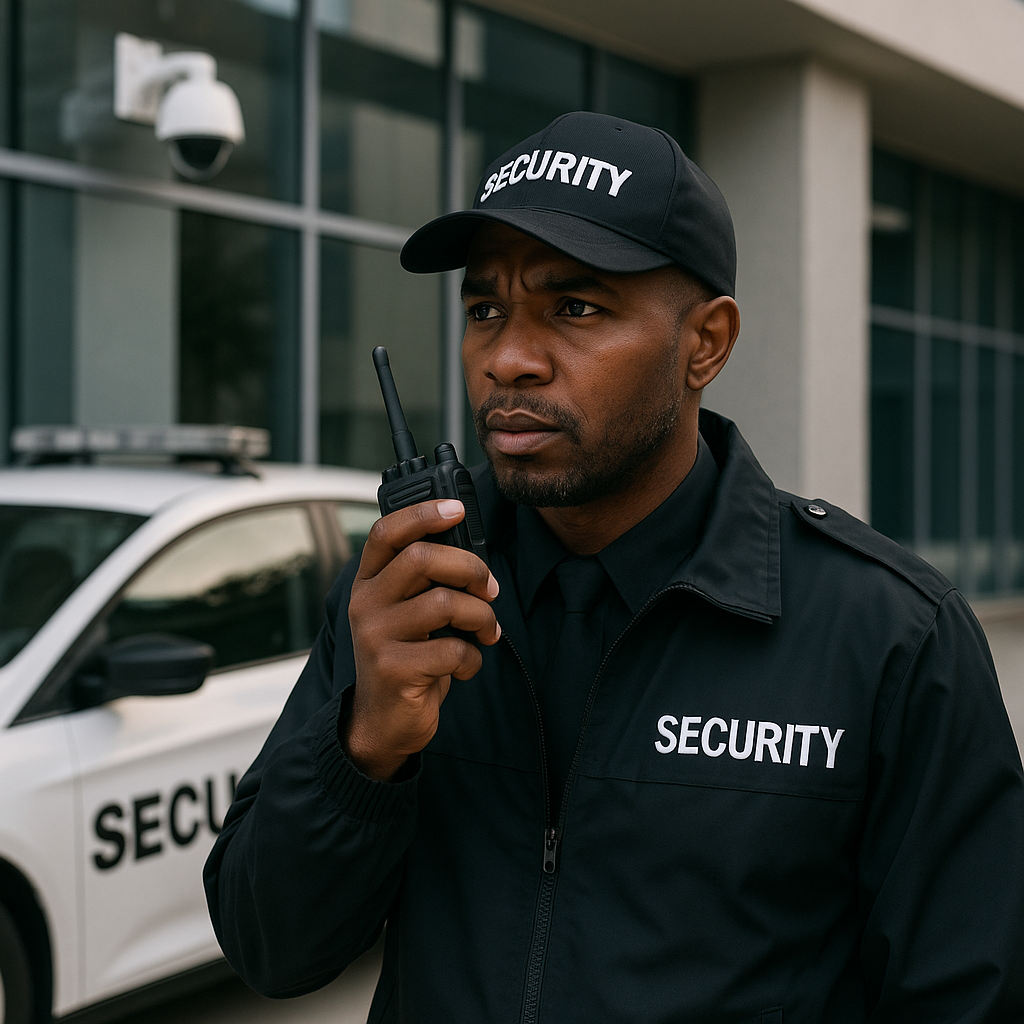
Security Guard Duties, Patrol Responsibilities, Incident Response Security: security guard duties,patrol responsibilities,Incident response security
Security guard duties, patrol responsibilities, incident response security are the core functions that protect people, property, and daily operations. Many businesses know they need security, but they do not always understand what a professional guard actually does during a shift. At CSI Ceja Security Inc. (PPO #120360), we deliver disciplined field performance, detailed reporting, visible deterrence, and rapid incident handling across Southern California.
A trained guard is not simply standing at a post. A professional officer is actively observing the environment, controlling access, identifying risks, enforcing site rules, documenting activity, and responding to incidents before they escalate. This article explains the real work performed during a shift and how CSI Ceja guards handle each responsibility with precision.
What Security Guard Duties, Patrol Responsibilities, Incident Response Security Include
Professional guarding is built on prevention first. The most effective security officers reduce opportunities for theft, trespassing, vandalism, workplace disruption, and liability through consistent presence and active site management. Their work is structured, repeatable, and accountable.
At CSI Ceja, every assignment begins with clear post orders. Those post orders define the property layout, risk points, visitor procedures, patrol routes, emergency contacts, escalation steps, reporting standards, and client expectations. Guards follow a site-specific plan, not guesswork.
Visible deterrence
Criminal behavior often depends on opportunity. A uniformed officer positioned at the right location immediately raises the risk for would-be offenders. This visible presence discourages loitering, unauthorized entry, theft, and disorderly conduct.
Observation and situational awareness
One of the most important guard functions is noticing what is out of place. That includes open doors, broken locks, suspicious vehicles, safety hazards, unusual behavior, alarm conditions, and policy violations. Early detection gives clients time to act before a minor issue becomes a major loss.
Documentation and accountability
Every serious security program depends on records. Guards maintain activity logs, visitor records, patrol reports, and incident reports that create a clear timeline of what happened, when it happened, and how it was handled. Accurate documentation protects the client and supports better decision-making.
Start-of-Shift Security Guard Duties Set the Tone
A strong shift begins before the first patrol starts. Professional guards report on time, arrive in proper uniform, inspect equipment, and review any updates from prior shifts. This handoff process is essential because security failures often happen when critical information is missed during transition.
CSI Ceja officers begin by checking communication devices, flashlights, keys, access credentials, reporting tools, and emergency contact lists. They also review any current concerns such as recent trespass activity, after-hours contractors, special events, or damaged entry points. This preparation allows the officer to begin the shift fully informed.
Reviewing post orders and recent activity
Even experienced guards review the assignment details. Site needs can change daily based on occupancy, deliveries, staffing levels, weather, and local crime trends. The guard confirms what areas require extra attention and what procedures must be enforced that day.
Inspecting the immediate post area
Before normal operations begin, the officer inspects primary entrances, lobbies, gates, parking lots, and vulnerable perimeter areas. The goal is to identify unlocked access points, property damage, hazards, or unauthorized persons already on site. Catching issues early is one of the most practical ways to reduce risk.
Patrol Responsibilities During a Shift
Security guard duties, patrol responsibilities, incident response security all come together during patrol activity. Patrols are not casual walks around a property. They are purposeful inspections designed to verify conditions, deter unwanted activity, and confirm that the site remains secure.
At CSI Ceja, patrols are conducted according to property risk, layout, traffic patterns, and client priorities. Some locations require foot patrols through interior corridors and stairwells. Others need vehicle-based perimeter checks, parking lot monitoring, and repeated gate inspections through our mobile patrol services.
Exterior patrol tasks
Exterior patrols typically include checking fences, gates, loading areas, parking lots, dumpster enclosures, utility areas, and building perimeters. Guards look for signs of forced entry, suspicious individuals, unsecured assets, lighting failures, and environmental hazards. A dark corner, open gate, or unattended vehicle can be the first indicator of a larger problem.
Interior patrol tasks
Interior rounds focus on doors, windows, offices, common areas, hallways, storage rooms, equipment areas, and emergency exits. The guard confirms that restricted areas remain secured and that no unauthorized persons are inside. Interior patrols are especially valuable after hours, during shift changes, and at low-traffic times.
Randomized patrol patterns
Predictability creates vulnerability. That is why professional guards vary patrol timing and route patterns while still covering all critical checkpoints. Randomized patrols make it more difficult for thieves or trespassers to identify a gap they can exploit.
High-risk property patrols
Some properties require more aggressive patrol coverage due to theft exposure or access challenges. Construction projects, for example, often need dedicated construction site security because tools, copper, machinery, and materials are frequent targets. Apartment communities and gated neighborhoods may require specialized residential & HOA security to control access and monitor common areas.
Access Control and Visitor Management
One of the most important shift responsibilities is controlling who enters the property. Many incidents begin with weak access control, including unauthorized entry, theft, vandalism, and workplace safety concerns. A guard acts as a human security filter.
At front desks, gates, lobbies, and entry checkpoints, CSI Ceja officers verify credentials, screen visitors, log arrivals, enforce sign-in procedures, and direct approved guests to the correct location. This process keeps unauthorized individuals out while maintaining a professional experience for legitimate visitors.
Checking identification and authorization
The guard confirms whether a person belongs on the property. That may involve employee badges, tenant lists, vendor approvals, event credentials, or pre-authorized visitor rosters. If someone cannot verify a legitimate reason for entry, they do not gain access.
Managing deliveries and contractors
Deliveries and vendors create a common security gap. Guards verify destination, contact the receiving party when needed, and document after-hours access. Contractors may also be monitored to ensure they remain only in approved work areas.
Enforcing site policies professionally
Security officers must balance firmness with customer service. They enforce smoking rules, parking rules, visitor limits, noise policies, and access restrictions without unnecessary conflict. Professional communication prevents escalation and supports a safer environment.
Incident Response Security in Action
Security guard duties, patrol responsibilities, incident response security matter most when something goes wrong. A trained guard is often the first person to detect and address an incident. Fast, calm, procedure-based response can prevent injuries, reduce losses, and restore order quickly.
CSI Ceja officers are trained to assess the situation, secure the area, notify the right contacts, document facts, and follow the site’s escalation plan. The response depends on the type of incident, but the standard remains the same: protect life, control the scene, and preserve clear reporting.
Trespassing and unauthorized persons
If a guard encounters an unauthorized person, the first step is assessment and verbal contact from a safe position. The officer gives clear instructions, determines intent, and directs the person to leave if policy requires. If the subject refuses, the guard follows escalation procedures and contacts law enforcement when necessary.
Theft or suspicious activity
Guards are trained to observe, document, and report suspicious activity without creating unnecessary risk. They note physical descriptions, vehicle details, direction of travel, and relevant timestamps. In many cases, quick action by an observant officer stops theft before property leaves the site.
Disturbances and conflicts
Arguments, aggressive behavior, and disorderly conduct can quickly disrupt a property. A professional security officer uses presence, verbal de-escalation, and scene control to reduce tension. The officer creates space, keeps bystanders safe, and calls for additional support if the risk increases.
Medical incidents and emergencies
Guards are often first on scene during medical issues. Their role includes calling emergency services, directing responders to the correct location, helping secure the area, and documenting what occurred. Even when not providing medical care, efficient coordination can save critical time.
Fire alarms and evacuation support
When alarms activate, confusion can spread fast. Guards help verify conditions, notify emergency contacts, guide occupants, secure exits and gathering points, and maintain order during evacuation. Their presence helps prevent panic and supports a faster emergency response.
How CSI Ceja Guards Handle Real Shift Duties
CSI Ceja Security Inc. is trusted because we treat guarding as a professional operation, not a placeholder service. Our officers are selected, trained, supervised, and assigned based on client needs and property risk. We build security plans that match the realities of each site.
For example, a retail-adjacent property may need a strong deterrent presence at entrances, active parking lot patrols, and immediate response to loitering. A logistics yard may need gate control, perimeter inspections, and overnight patrol documentation. A private event may require screening, crowd management, and coordinated emergency procedures through our event security services.
Site-specific post orders
Our guards do not rely on generic instructions. They work from property-specific post orders that define duties in clear terms. This eliminates confusion and improves consistency from shift to shift.
Timely reporting to clients
Clients need more than a guard on site. They need visibility into what is happening. CSI Ceja provides activity reporting and incident documentation that help property owners and managers understand trends, recurring issues, and opportunities to strengthen security.
Escalation with judgment
Not every issue requires the same response. Our officers know when to monitor, when to intervene, when to notify management, and when to involve emergency services. Good judgment is what separates a trained professional from an unprepared presence.
The Difference Between Standing Watch and Active Security
Many people imagine a guard simply standing at a post for hours. In reality, effective security is active. The officer is constantly checking conditions, observing behavior, documenting activity, and staying prepared for the next issue.
That active posture is what prevents loss. When guards stay engaged, they notice the side gate left open by a vendor, the unfamiliar vehicle circling a lot, the tenant dispute beginning to escalate, or the stockroom door that should never be unsecured. Prevention happens through attention to detail.
Businesses evaluating providers should understand this distinction. If you are comparing options, our guide on how to choose the right security company in California explains what to look for in staffing, supervision, communication, and professionalism.
Why These Duties Matter for Businesses and Properties
Professional guarding protects more than buildings. It protects revenue, employees, residents, customers, equipment, reputation, and continuity of operations. Security issues can lead to theft losses, liability claims, operational delays, tenant complaints, and long-term damage to brand trust.
That is why consistent field performance matters. A guard who patrols correctly, reports thoroughly, and responds decisively can stop a minor issue from becoming a police matter, insurance claim, or public relations problem. Security is most valuable when it prevents the incident that never makes the headlines.
Properties across Indio, Palm Desert, and Riverside rely on trained officers to protect high-traffic environments, after-hours facilities, residential communities, and vulnerable project sites. In every setting, the duties remain rooted in prevention, control, and rapid response.
Choosing the Right Security Coverage
The right security plan depends on your property type, operating hours, public access level, and threat profile. Some sites need dedicated unarmed security officers for customer-facing professionalism and daily deterrence. Others may require a higher-level posture with armed security guards based on risk, assets, or regulatory concerns.
For clients facing theft exposure, after-hours trespassing, or recurring property crime, layered protection is often the best answer. That can include a combination of fixed-post coverage, patrol inspections, access control, reporting, and incident response procedures. Businesses can also benefit from reviewing broader prevention strategies in our article on business security risk theft prevention strategies that work.
CSI Ceja evaluates the site, identifies vulnerabilities, and recommends a practical plan that fits the real environment. We do not oversell. We deploy what works.
Frequently Asked Questions
What does a security guard do during a typical shift?
A professional guard performs access control, patrols, observation, rule enforcement, documentation, and incident response. Duties vary by property, but the goal is always to prevent problems and respond quickly when issues occur.
How often should security guards patrol a property?
Patrol frequency depends on the size of the site, hours of operation, crime exposure, and client priorities. High-risk properties may require constant rounds or mobile checks throughout the night, while lower-risk sites may use scheduled and randomized patrol intervals.
Do security guards handle emergencies?
Yes. Guards are often the first to identify fires, medical issues, disturbances, trespassing, or suspicious activity. Their role is to secure the scene, notify the proper contacts, support evacuation or access control, and document the incident accurately.
What is the difference between patrol security and stationary guards?
Stationary guards focus on a fixed post such as a lobby, gate, or entrance. Patrol security involves moving through the property on foot or by vehicle to inspect conditions, deter crime, and identify issues across a larger area.
How do I know what type of security my property needs?
The right coverage depends on your property type, public access, business hours, asset value, and recent incidents. CSI Ceja Security Inc. can assess your site and recommend a custom plan based on actual risk, not assumptions.
Ready to Protect Your Property?
Contact CSI Ceja Security Inc. today for a free security consultation. Our licensed professionals are ready to create a custom security plan for your needs.
Request a Free QuoteCSI Ceja Security Inc. (PPO #120360) serves Southern California with professional security solutions backed by field experience, disciplined reporting, and dependable response. Call 760-972-0000, email info@csiceja.com, or visit csiceja.com to discuss your site security needs.