Business Security Risk Theft Prevention Strategies That Work

Business Security Risk Theft Prevention Strategies That Work
Most companies do not take business security seriously until a loss forces the issue. By then, stolen property, liability claims, downtime, and reputational damage have already done the real harm. Effective risk theft prevention strategies, workplace incidents prevention, and a professional security risk assessment are not optional for modern organizations. They are the foundation of stable operations, employee safety, and long-term profitability.
At CSI Ceja Security Inc. (PPO #120360), we see the same pattern across Southern California. Businesses assume a break-in, internal theft, vandalism, trespassing incident, or violent confrontation is unlikely at their location. That assumption is exactly what creates vulnerability. Strong planning, visible deterrence, and trained security professionals close those gaps before they become expensive problems.
From retail centers and warehouses to office properties, construction sites, and residential communities, the risk profile is different for every site. What does not change is the need for prevention. The right security strategy protects people, assets, access points, and daily operations with measurable results.
Why Businesses Underestimate Business Security Risk
Many owners and managers believe risk only applies to high-crime areas or large companies. That is false. Small and mid-sized businesses are often easier targets because criminals expect fewer controls, less oversight, and slower response times.
Another common mistake is relying on luck or past experience. If a property has avoided major incidents for years, leadership may assume current measures are enough. In reality, changing staffing levels, new inventory, seasonal traffic, neighborhood shifts, and weak access control can quickly increase exposure.
Businesses also tend to focus only on obvious threats like burglary. They miss the full spectrum of concerns that demand business security planning, including employee disputes, unauthorized visitors, parking lot incidents, after-hours trespassing, vandalism, cargo loss, and policy violations. A proper security risk assessment identifies these hidden vulnerabilities before they escalate.
False Sense of Security
Cameras alone do not stop crime. Locks alone do not prevent tailgating. Alarm systems alone do not de-escalate confrontations. Technology matters, but without trained personnel, reporting procedures, and active monitoring, businesses still leave critical gaps unaddressed.
Competing Priorities
Management teams are often focused on sales, hiring, operations, and customer service. Security gets pushed down the list until an event forces immediate action. That reactive approach always costs more than prevention.
Underestimating Internal Risk
Not every threat comes from the outside. Internal theft, workplace misconduct, access abuse, and policy violations can damage a company just as severely as an external intrusion. Strong workplace incidents prevention requires clear procedures and trained oversight.
The Real Cost of Delayed Security Action
When businesses delay investment in business security, the first visible loss is rarely the only one. A stolen shipment or damaged entry door is easy to calculate. Lost productivity, shaken employee confidence, higher insurance exposure, and customer distrust are often far more expensive.
One incident can disrupt operations for days or weeks. Employees may feel unsafe returning to work. Managers may need to divert time from revenue-generating tasks to investigations, insurance claims, repairs, and policy revisions. In severe cases, a business can face legal consequences for failing to implement reasonable safety measures.
Security failures also affect brand reputation. Customers, tenants, vendors, and staff notice when a property appears poorly controlled. Visible professionalism, on the other hand, signals that leadership takes safety seriously.
Direct Financial Losses
These include stolen inventory, damaged equipment, vandalized property, repair costs, replacement labor, and emergency call-outs. For construction sites and commercial facilities, even a single overnight theft can create major project delays and contract pressure.
Liability Exposure
If a foreseeable incident occurs and documented safeguards were lacking, liability can increase significantly. A professional security risk assessment helps demonstrate due diligence while identifying practical improvements that reduce exposure.
Operational Disruption
Even minor incidents create distractions that affect schedules, morale, and customer experience. Security is not separate from operations. It supports operations by keeping people and processes stable.
Warning Signs Businesses Commonly Miss
Most incidents are preceded by visible warning signs. The problem is that many companies do not recognize them as security issues. What looks like a small nuisance today can become a major event tomorrow.
Frequent loitering, propped-open doors, missing tools, after-hours foot traffic, poor visitor management, lighting failures, and unchallenged unauthorized access are not isolated problems. They are indicators of weak control. Ignoring them tells bad actors that the site is easy to test and exploit.
Physical Security Gaps
Broken gates, dark parking lots, unlocked storage areas, blind spots, and poor perimeter control create opportunity. These are exactly the kinds of vulnerabilities that risk theft prevention strategies are designed to address.
Behavioral Red Flags
Repeated policy violations, staff concerns about suspicious activity, aggressive customer behavior, or unresolved workplace tensions can point to deeper safety issues. Workplace incidents prevention depends on identifying patterns early and responding consistently.
Inconsistent Reporting
If employees are unsure how to report suspicious activity, many events go undocumented. That prevents leadership from seeing trends and taking corrective action before losses grow.
Why a Security Risk Assessment Is Essential
A security risk assessment replaces assumptions with facts. It evaluates the specific threats, vulnerabilities, traffic patterns, property layout, hours of operation, staffing levels, and asset exposure that define a site’s real risk profile.
This process is critical because no two businesses face the same challenges. A retail plaza needs a different response plan than a warehouse, office complex, apartment community, or active construction project. Effective business security is site-specific, operationally practical, and built around prevention.
At CSI Ceja Security Inc., a security risk assessment is used to determine where incidents are most likely to occur, what controls are currently failing, and what protective measures will deliver the strongest return. That may include officer presence, patrol scheduling, reporting protocols, access control improvements, or a combination of services.
What a Strong Assessment Reviews
- Entry and exit points
- Perimeter vulnerabilities
- Lighting and visibility issues
- Visitor and vendor access procedures
- Parking lot and common area activity
- Asset storage and inventory exposure
- After-hours risks
- Incident history and recurring patterns
- Emergency response readiness
Why Assessments Improve Results
Without a formal review, businesses often overspend on the wrong tools or underinvest where the real risk exists. A proper assessment targets resources where they matter most.
Risk Theft Prevention Strategies Businesses Should Implement Now
The most effective risk theft prevention strategies combine visible deterrence, active supervision, and clear response procedures. Prevention works best when it is layered, consistent, and tailored to the property.
Use Trained Security Personnel
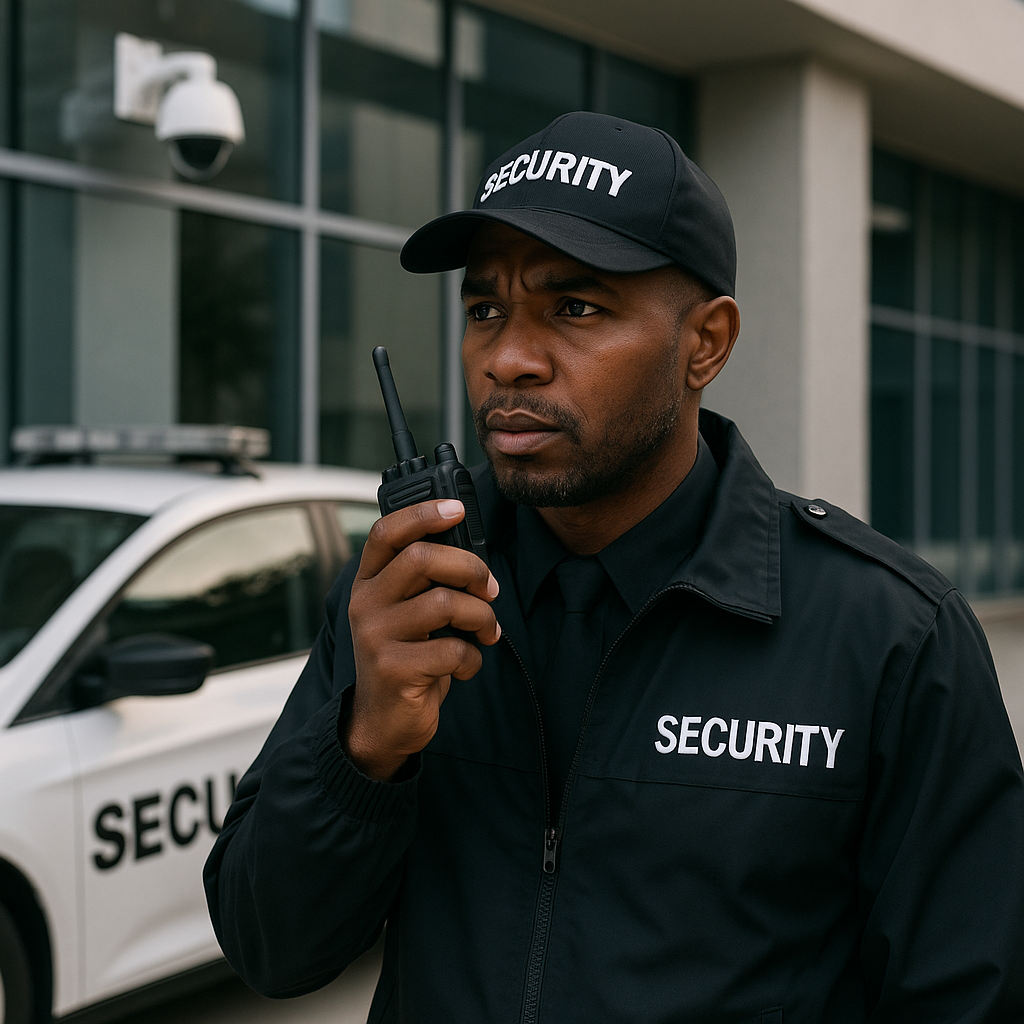
A professional on-site presence changes behavior immediately. Trained officers observe activity, enforce access procedures, document incidents, and respond before problems spread. For many commercial properties, unarmed security officers provide the ideal balance of deterrence, professionalism, and customer-facing support.
Increase Patrol Visibility
Properties with large footprints, multiple buildings, parking lots, or after-hours exposure benefit from active patrols. mobile patrol services are highly effective for detecting suspicious activity, checking vulnerable areas, and reinforcing consistent site coverage without interruption.
Control Access Points
Businesses should define who can enter, when they can enter, and how entry is verified. Doors should not be casually propped open, vendor access should be monitored, and restricted areas should remain controlled at all times.
Strengthen Lighting and Perimeter Security
Lighting failures and neglected exterior areas invite problems. Well-lit walkways, parking areas, gates, and loading zones reduce concealment and increase natural surveillance.
Document and Report Every Incident
Security is measurable when reporting is consistent. Accurate documentation helps identify patterns, support investigations, and demonstrate proactive management. It also strengthens future workplace incidents prevention efforts.
Workplace Incidents Prevention Requires More Than Policies
Written policies alone do not prevent conflict, theft, trespassing, or unsafe behavior. Employees need visible enforcement, clear reporting channels, and confidence that concerns will be addressed immediately. That is why workplace incidents prevention depends on both training and professional security support.
Security personnel help reduce risk by monitoring common areas, screening visitor behavior, responding to disturbances, and documenting issues before they escalate. Their presence also reassures employees and customers, which improves the overall environment.
De-Escalation Matters
Many workplace incidents begin as minor verbal confrontations or suspicious interactions. Trained officers know how to intervene early, maintain control, and reduce the chance of injury or property damage.
Employee Confidence Improves Safety
When staff members know someone is actively watching the property and responding to concerns, they are more likely to report suspicious behavior. That information is essential to prevention.
Emergency Readiness Is Part of Prevention
Preparedness is not just about reacting after a crisis. It includes route planning, access coordination, communication procedures, and a defined response chain. The stronger the structure, the lower the risk of confusion during an incident.
Industry-Specific Business Security Demands a Tailored Plan
Different properties require different tactics. A one-size-fits-all plan leaves gaps because threat patterns vary by industry, operating hours, customer flow, and asset type. CSI Ceja Security Inc. builds security programs around the realities of each environment.
Retail and Commercial Properties
Retail centers deal with shoplifting, loitering, trespassing, parking lot incidents, and after-hours access concerns. High-visibility patrols and officer presence reduce disorder and protect the customer experience.
Office Buildings
Office environments need strong visitor control, lobby oversight, and workplace incidents prevention. Employee disputes, unauthorized access, and after-hours security are often the primary concerns.
Construction Sites
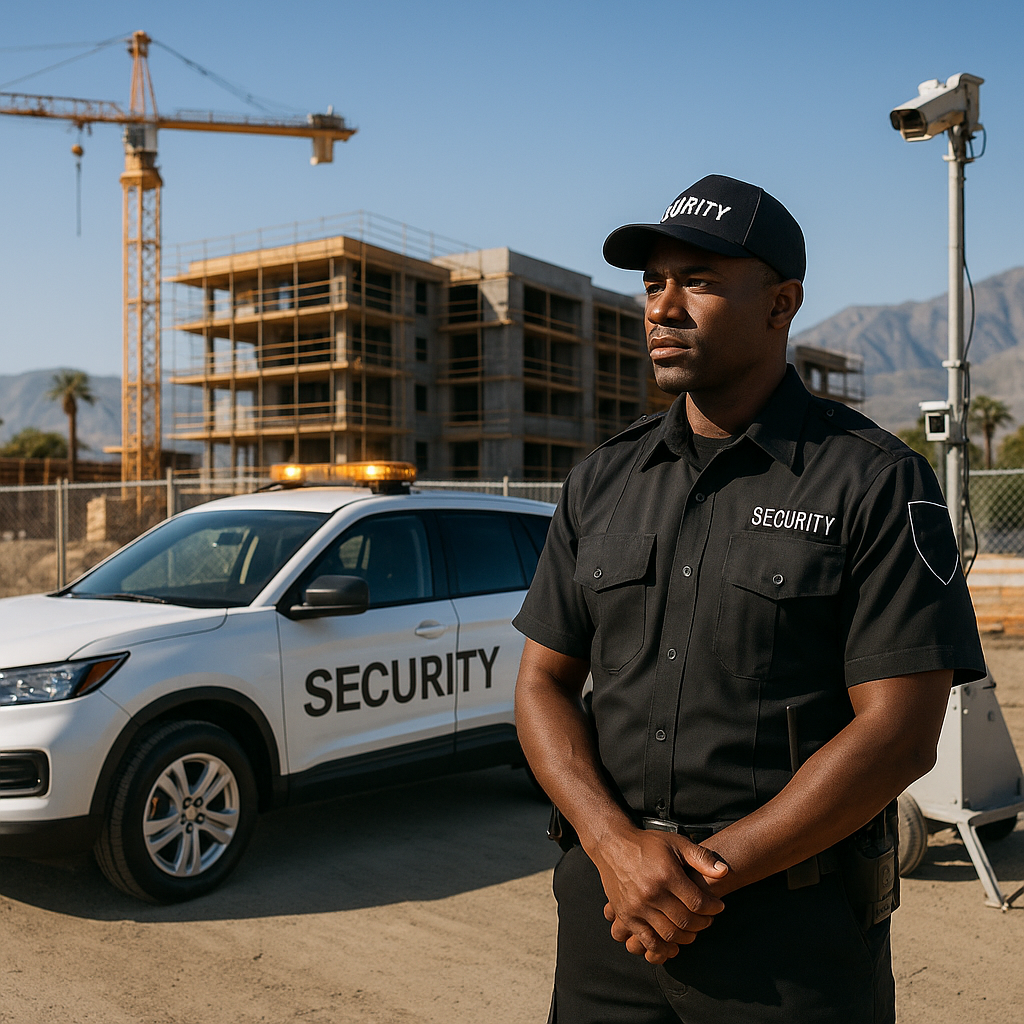
Construction properties face some of the highest theft risk in California. Tools, copper, heavy equipment, and materials are frequent targets. Businesses managing active projects should review our construction site security solutions and also read Construction Site Theft Is Rising in California: Here's How to Protect Your Project for additional insight.
Residential and HOA Communities
Mixed-use and residential properties require controlled access, patrol visibility, and rapid response to disturbances. Our residential & HOA security programs help communities maintain safety without disrupting residents.
Southern California Businesses Face Unique Security Risks
Businesses across Southern California operate in fast-moving environments with dense traffic, varied property types, seasonal population changes, and broad public access. Those factors increase the need for disciplined business security planning.
In areas such as Indio, Palm Desert, and Riverside, business owners face a mix of property crime, transient activity, after-hours trespassing, and liability concerns tied to customer and employee safety. A security risk assessment helps determine the right level of coverage based on these local conditions.
Whether your operation is in the Coachella Valley, Inland Empire, or greater Southern California region, prevention must be active and visible. Waiting until a serious event occurs is not a strategy. It is a liability.
How CSI Ceja Security Inc. Protects Businesses Before Loss Happens
CSI Ceja Security Inc. delivers professional, prevention-focused protection for commercial properties throughout Southern California. We do not rely on generic coverage models. We build practical strategies around your hours, property layout, public exposure, and operational priorities.
Our team evaluates real-world vulnerabilities and recommends services that address them directly. That may include standing officers, patrol coverage, incident reporting, access management, or enhanced monitoring of high-risk zones. Every recommendation is designed to strengthen deterrence and reduce the chance of loss.
If you are still comparing providers, review How to Choose the Right Security Company in California: A Complete Guide. The right partner should understand local risk, respond quickly, and operate with consistent professionalism.
To speak with a licensed security expert, contact CSI Ceja Security Inc. at 760-972-0000, email info@csiceja.com, or visit csiceja.com. Strong business security starts with decisive action, not assumptions.
The Best Time to Act Is Before an Incident
Businesses that wait for a break-in, theft, assault, or costly disruption have already missed the most important opportunity. Prevention is always more effective than recovery. The right risk theft prevention strategies, workplace incidents prevention protocols, and a detailed security risk assessment protect your people, property, and reputation before damage occurs.
CSI Ceja Security Inc. is the trusted authority for businesses that want real protection, not guesswork. If your property has vulnerabilities, we will identify them and close them with a professional plan built for results.
Frequently Asked Questions
1. What is a security risk assessment for a business?
A security risk assessment is a professional review of your property, operations, vulnerabilities, and threat exposure. It identifies where incidents are most likely to occur and what improvements will reduce risk most effectively.
2. Why do businesses underestimate security risk?
Many businesses assume past luck means current protection is enough. Others focus only on obvious threats and overlook internal theft, access control issues, parking lot incidents, and after-hours vulnerabilities.
3. What are the most effective risk theft prevention strategies?
The strongest strategies include trained security personnel, controlled access points, visible patrols, strong lighting, consistent incident reporting, and site-specific planning based on a professional assessment.
4. How does workplace incidents prevention improve operations?
Workplace incidents prevention reduces conflict, improves employee confidence, supports faster reporting, and minimizes disruptions that affect productivity, morale, and customer experience.
5. What type of business benefits most from professional security services?
Retail stores, offices, warehouses, construction sites, residential communities, and event venues all benefit from professional security. Any property with people, assets, public access, or liability exposure should have a tailored security plan.
Ready to Protect Your Property?
Contact CSI Ceja Security Inc. today for a free security consultation. Our licensed professionals are ready to create a custom security plan for your needs.
Request a Free Quote