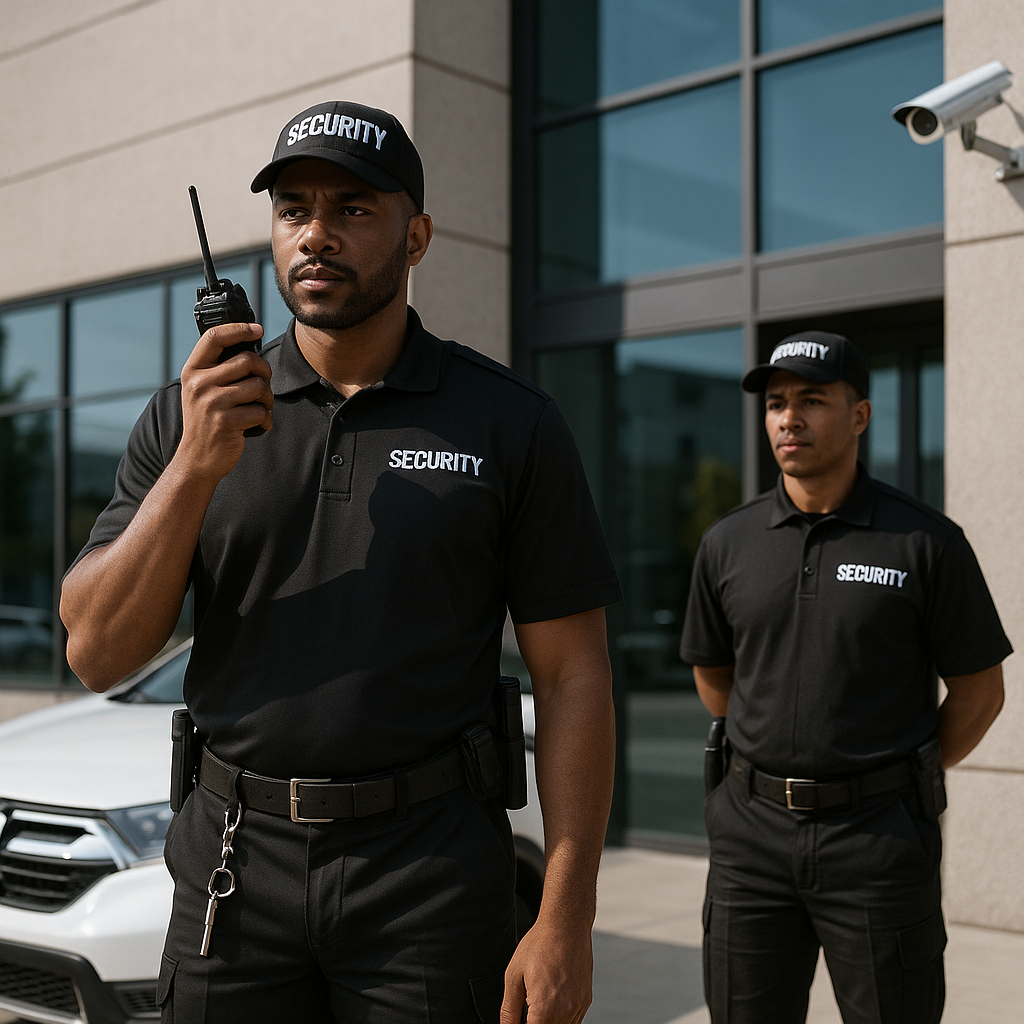
Gated Community Visitor Management Best Practices
Gated Community Visitor Management Best Practices
Gated community visitor management is one of the most important parts of protecting residents, property, and community reputation. A gated entrance only works when access is controlled with consistency, clear procedures, and trained personnel. CSI Ceja Security Inc. delivers professional visitor control solutions that help HOAs, apartment communities, private neighborhoods, and luxury developments across Southern California maintain safety without sacrificing convenience.
From gatehouse screening to license plate logging and vendor verification, the right visitor management system reduces unauthorized access, prevents tailgating, and creates accountability at every entry point. Property managers and HOA boards need a process that is easy for residents, effective for security staff, and scalable for daily traffic, deliveries, contractors, and special events. That is exactly where experienced security planning makes the difference.
Why Gated Community Visitor Management Matters
Many communities invest heavily in gates, cameras, and perimeter design, but weak visitor screening can still expose residents to risk. A gate is not security by itself. Security comes from the policies and personnel controlling who enters, why they are there, and how that visit is documented.
Strong gated community visitor management protects against unauthorized entry, package theft, trespassing, property crime, and liability concerns. It also improves resident confidence. When residents see that every guest, service provider, and delivery driver is handled professionally, they trust the community’s security program more fully.
Common risks caused by poor visitor control
Communities with inconsistent entry procedures often deal with preventable problems. These include unverified vendors, former residents attempting re-entry, solicitors gaining access, and vehicles following authorized guests through the gate. Even a single breakdown at the entrance can create lasting concerns among residents and board members.
Visitor logs also matter after an incident. If property damage, theft, or a disturbance occurs, access records support investigations and incident reporting. This level of documentation is a core part of professional security guard duties and incident response.
Core Elements of Gated Community Visitor Management
Effective gated community visitor management relies on a structured system, not guesswork. Every community should define how guests are approved, how identities are checked, and how exceptions are handled. This creates consistency across all shifts and all security personnel.
Resident authorization procedures
Residents should have a reliable way to pre-authorize guests, recurring visitors, caregivers, housekeepers, and contractors. Approved visitor lists reduce delays at the gate and help officers confirm access quickly. The process should also include a method for same-day updates and emergency changes.
Identity verification
Gate officers should verify names, addresses being visited, vehicle details, and purpose of visit. Depending on community policy, this may include checking a government-issued ID or confirming with the resident directly. Verification must be applied consistently to avoid confusion and weak points.
Vehicle and guest logging
Visitor records should capture arrival time, departure time when possible, resident destination, vehicle description, and any unusual notes. Digital logs improve speed and searchability, but manual logs can still be effective when used correctly. The key is accuracy and completeness.
Vendor and contractor screening
Contractors, landscapers, cleaners, movers, and other service providers need tighter control than social guests in many communities. Requiring company identification, work orders, scheduled access windows, and resident confirmation helps reduce fraud and unauthorized solicitation. This is especially important in high-value communities with frequent vendor traffic.
Gatehouse Procedures for Gated Community Visitor Management
The gatehouse is the operational center of the community entrance. Well-designed procedures allow officers to move traffic efficiently while still enforcing security rules. Without defined standards, visitor handling becomes inconsistent and vulnerable to mistakes.
Standardized entry workflow
Each vehicle should be approached with the same process: greeting, purpose of visit, resident confirmation, authorization check, and log entry. Standardization keeps the line moving while ensuring no steps are skipped. It also helps train new officers faster and reduces disputes at the gate.
Tailgating prevention
Tailgating is one of the most common access failures in private communities. Drivers often follow closely behind an authorized vehicle to enter without screening. Security officers must be trained to recognize this behavior, stop unauthorized vehicles safely, and document attempts to bypass access control.
Visitor denial procedures
Communities also need a clear policy for denying entry. If a visitor is not on the approved list, cannot verify their purpose, or the resident cannot be reached, the officer should follow a documented denial process. Professional communication is critical during these moments to avoid escalation while maintaining control.
For communities that need dedicated access point coverage, trained unarmed security officers are often the right fit for gatehouse operations, resident assistance, and visitor screening.
Technology Supporting Gated Community Visitor Management
Technology improves speed, visibility, and accountability, but it should support trained personnel rather than replace them. The best visitor programs combine human judgment with practical tools that fit the property’s traffic volume and risk profile.
Visitor management software
Modern platforms allow residents to pre-register guests, issue QR codes, maintain recurring visitor lists, and receive real-time notifications. This reduces wait times and gives gate staff immediate access to current authorization data. Software is especially valuable in larger communities with multiple entry points.
License plate recognition
License plate recognition can automate recurring guest access, flag barred vehicles, and help officers track vehicle movement more accurately. It also creates stronger records for investigations. When paired with camera coverage, it adds another layer of verification at the entrance.
Surveillance integration
Camera systems should cover the approach lane, gate arms, visitor check-in point, and surrounding perimeter. Footage supports enforcement of community rules and provides evidence if a visitor dispute or security incident occurs. Security technology is most effective when officers are trained to use it actively, not passively.
Communication tools
Reliable radios, gate intercoms, call boxes, and resident contact systems are essential. Delays in reaching residents can create long backups and frustration at peak hours. Fast communication keeps security strong without creating unnecessary inconvenience.
Training Security Officers for Visitor Control
Even the best policies fail without trained officers enforcing them. Visitor control requires attention to detail, confident communication, and the judgment to identify suspicious behavior before it becomes a problem. This is why gated communities should work with an experienced security company that understands residential access control.
Customer service and authority
Gate officers represent the community at its front door. They must be professional, respectful, and composed under pressure. At the same time, they need the confidence to enforce access rules without hesitation.
Observation and behavioral awareness
Experienced officers notice signs that others miss. Nervous behavior, conflicting explanations, unusual vehicle activity, or attempts to pressure the officer are all indicators that a visitor may need additional screening. Strong observation skills are essential to proactive security.
Post orders and escalation protocols
Every gate assignment should have written post orders covering access procedures, resident contact methods, emergency actions, and incident reporting requirements. Officers should know when to notify property management, call a supervisor, or involve law enforcement. Clear procedures reduce uncertainty and improve response time.
Communities often benefit from combining gatehouse staffing with mobile patrol services to monitor the interior, check amenities, and respond quickly to suspicious activity beyond the entrance.
How HOAs and Property Managers Can Improve Visitor Management
Boards and managers set the foundation for a successful access control program. Security personnel can only enforce the standards the community adopts. When policies are outdated, unclear, or unevenly applied, friction at the gate becomes inevitable.
Create clear written access policies
Every resident should understand guest procedures, delivery rules, contractor access requirements, and after-hours entry standards. Policies should be distributed clearly and updated when community needs change. Consistent communication reduces gate disputes and resident complaints.
Separate guest categories
Not all visitors should be handled the same way. Social guests, rideshare drivers, recurring caregivers, food delivery services, movers, and contractors each present different levels of risk. Defining separate procedures for each category improves both convenience and control.
Review logs and incidents regularly
Visitor records should be reviewed for patterns such as repeated denied entries, frequent resident authorization issues, and traffic bottlenecks. This information helps management refine procedures and identify weak points. Data-driven adjustments lead to stronger long-term results.
Plan for peak traffic periods
Holidays, weekends, open houses, community meetings, and special events all increase vehicle volume. Communities should prepare for these periods with staffing adjustments, temporary access lists, or coordinated event entry procedures. Properties hosting social gatherings may also require specialized event security services to manage large guest flows safely.
Visitor Management Challenges in Southern California Communities
Southern California communities face unique access control demands. Seasonal residents, tourism, service traffic, luxury home vendors, and high delivery volume all create added complexity at the gate. Communities in the Coachella Valley and major metro areas need systems that can adapt quickly to changing occupancy and visitor patterns.
For example, neighborhoods in Palm Desert, La Quinta, and Indio often deal with a mix of full-time residents, second-home owners, golf community guests, and short-term vendor traffic. These conditions require disciplined screening and strong resident communication. Similar needs exist in larger residential markets across Riverside County and Los Angeles-area communities.
Properties seeking deeper insight into residential protection strategies can also review our resources on HOA security for luxury communities and gatehouse security officer responsibilities.
Choosing the Right Security Partner for Visitor Management
Not every security provider is equipped to manage a residential gatehouse environment. Visitor control demands professionalism, report accuracy, traffic management, and a resident-focused approach. The right partner provides trained officers, documented procedures, responsive supervision, and a customized access control plan for the property.
CSI Ceja Security Inc. is a licensed California security company serving Southern California with reliable residential and community protection solutions. We build visitor management programs around the property’s layout, traffic patterns, resident expectations, and risk exposure. Our team understands that a gate is more than an entrance point. It is the first and most visible layer of community security.
For communities evaluating security providers, our guide on how to choose the right security company in California outlines what decision-makers should expect from a professional partner.
Best Practice Checklist for Gated Community Visitor Management
High-performing communities follow a repeatable framework. The most effective programs usually include the following elements:
- Written visitor access policies for all resident types and guest categories
- Resident pre-authorization options for routine and one-time visitors
- Consistent identification and resident verification procedures
- Accurate digital or manual visitor logging
- Clear denial-of-entry and escalation protocols
- Tailgating prevention measures and camera coverage at gates
- Ongoing officer training and post order updates
- Regular review of incidents, logs, and traffic flow performance
When these parts work together, gated community visitor management becomes more than a checkpoint. It becomes a reliable security system that protects residents while preserving a professional guest experience.
Frequently Asked Questions
What is gated community visitor management?
Gated community visitor management is the process of screening, authorizing, logging, and monitoring guests, vendors, and contractors entering a private residential community. It combines access policies, trained personnel, and supporting technology to prevent unauthorized entry.
Why is visitor management important for HOAs?
Visitor management helps HOAs reduce trespassing, theft, solicitation, and liability exposure. It also improves resident confidence by showing that the community takes access control seriously and applies rules consistently.
Should gated communities require ID from all visitors?
That depends on the community’s policy, risk level, and traffic volume. Many communities require ID for vendors and unknown guests, while others use resident confirmation for social visitors. The most important factor is having a clear policy and applying it consistently.
Can technology replace gate security officers?
No. Technology improves efficiency, but it does not replace trained judgment, visitor interaction, incident response, or real-time decision-making. The strongest programs combine software, cameras, and access tools with professional security staff.
What services support better visitor management in residential communities?
Dedicated gatehouse staffing, interior patrols, access control procedures, and detailed incident reporting all support better visitor management. Many communities benefit from integrated residential and HOA security services designed specifically for private neighborhoods.
Conclusion
Gated community visitor management is not a minor administrative task. It is a frontline security function that directly affects resident safety, property protection, and community trust. The right procedures, technology, and officers turn a simple entry point into a controlled, accountable security operation.
CSI Ceja Security Inc. provides professional security solutions for gated communities throughout Southern California. From gatehouse staffing to patrol support and customized access protocols, we help HOAs and property managers create stronger, more dependable protection programs. Call 760-972-0000, email info@csiceja.com, or visit csiceja.com to discuss a tailored security plan.
Ready to Protect Your Property?
Contact CSI Ceja Security Inc. today for a free security consultation. Our licensed professionals are ready to create a custom security plan for your needs.
Request a Free Quote