HOA Security Palm Desert for Luxury Community Protection
HOA Security Palm Desert for Luxury Community Protection: HOA security Palm Desert,Palm Springs luxury security services,gated community security California,residential security guards Coachella Valley
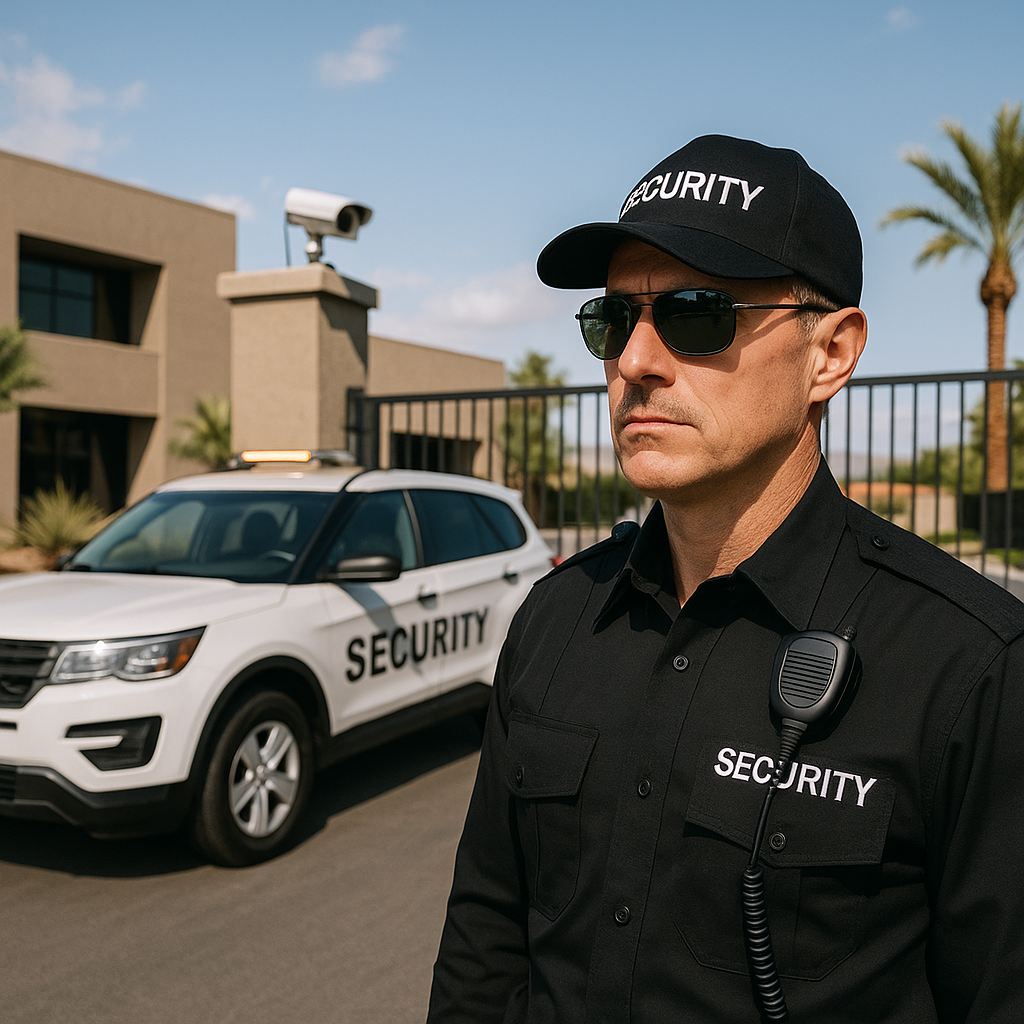
HOA security Palm Desert, Palm Springs luxury security services, gated community security California, residential security guards Coachella Valley are not interchangeable buzzwords. They represent a clear set of standards that homeowners associations, property managers, and luxury communities must demand from a professional security partner. In the Coachella Valley, residents expect visible protection, controlled access, fast incident response, and a strong daily security presence that preserves safety, privacy, and property values.
CSI Ceja Security Inc. delivers that standard with licensed, professional security solutions designed for upscale neighborhoods, gated communities, and HOA-managed properties throughout the desert region. From entry gate coverage to rover patrols and after-hours incident response, our team understands what it takes to secure communities in Palm Desert, Palm Springs, La Quinta, Rancho Mirage, and surrounding Coachella Valley neighborhoods.
This guide explains what HOAs should expect from a serious security company, how to compare patrol and static guard models, what defines true luxury community protection, and why consistent patrol coverage is essential in desert-region residential environments. If your board is evaluating security performance or planning a new contract, this is the benchmark.
What HOAs Should Expect From a Security Company
Too many HOA boards settle for basic guard coverage without defining measurable standards. A professional security company should do far more than place a uniformed officer at a gate. It should provide a structured protection program that reduces risk, deters unauthorized access, supports residents, and documents activity with consistency.
For HOA security Palm Desert communities, the expectation starts with professionalism. Officers must arrive on time, remain alert, communicate clearly, and understand the specific procedures of the community they protect. In luxury neighborhoods, residents notice everything. A weak security presence undermines confidence immediately.
Core Standards Every HOA Should Require
Every security contract should include clearly defined post orders, reporting requirements, escalation procedures, and supervision. HOA boards should know exactly what officers are expected to do during each shift and how performance will be measured. Vague service language creates weak accountability.
At a minimum, a qualified residential security provider should deliver:
- Controlled access and visitor verification
- Foot or vehicle patrols of common areas
- Observation and reporting of suspicious activity
- Parking, pool, clubhouse, and amenity monitoring
- Incident documentation and management reporting
- After-hours response support for disturbances or trespassing
- Professional resident and guest interaction
These are standard expectations, not premium extras. For communities seeking dependable residential and HOA security, every one of these functions should be built into the service plan.
Licensing, Training, and Local Experience Matter
HOAs should never assume every provider operates at the same level. In California, licensing, training, supervision, and insurance are foundational requirements. Boards should confirm the company is properly licensed, uses trained officers, and has operational experience in residential environments.
Desert communities have specific concerns that require local understanding. Seasonal occupancy, vacation homes, high-value assets, short-term visitor traffic, and open-access perimeter vulnerabilities change the security profile. A provider with proven experience in gated community security California environments will recognize those challenges and address them proactively.
Security Should Protect Lifestyle, Not Just Property
In an HOA, security is part of the resident experience. Officers are often the first people visitors see and the only on-site authority figure present during late-night issues. Their conduct reflects directly on the community.
That is especially true in high-end neighborhoods where residents expect discretion, courtesy, and confidence. Effective officers are firm without being confrontational and visible without being intrusive. They support a calm, secure atmosphere while enforcing community rules consistently.
HOA Security Palm Desert Needs a Community-Specific Plan
HOA security Palm Desert is never one-size-fits-all. A small gated neighborhood with limited amenities has different needs than a large master-planned community with multiple entrances, clubhouses, pools, golf access points, and extensive pedestrian traffic. Security must be built around the property layout, population patterns, and operational goals of the association.
The right security company begins with a site assessment. That assessment should identify access control weaknesses, vulnerable perimeter zones, recurring nuisance issues, blind spots, after-hours activity patterns, and emergency response needs. A company that skips this step is not designing protection. It is guessing.
Key Risk Areas in Palm Desert HOA Communities
Palm Desert communities often face a mix of visibility and access challenges. Long streets, walls, side gates, golf course edges, and seasonal vacancy patterns can create opportunities for trespassing, vehicle tampering, package theft, and unauthorized use of amenities. These issues often increase when patrol coverage is inconsistent.
Security plans should focus on:
- Gatehouse screening and entry protocols
- Perimeter and pedestrian gate checks
- Vacant home and seasonal residence monitoring
- Amenity area enforcement after hours
- Parking control and unauthorized vehicle detection
- Rapid response to resident calls and disturbances
Many boards benefit from combining fixed gate coverage with mobile patrol services to ensure the full property receives regular attention throughout the day and night.
What HOA Boards Should Ask Before Signing a Contract
Choosing a provider requires more than comparing hourly rates. Boards should ask how supervision is handled, how often patrol checkpoints are completed, what incident reports look like, and how quickly management responds to service issues. The right questions reveal whether the company operates professionally or simply staffs posts.
HOAs should also ask how officers are matched to residential properties. Residential assignments require stronger interpersonal skills than many commercial posts. Security teams must know how to interact with residents, vendors, guests, and board members without creating friction.
For a broader evaluation framework, boards can review how to choose the right security company in California. The same principles apply directly to community security contracts in the Coachella Valley.
Palm Springs Luxury Security Services Require a Higher Standard
Palm Springs luxury security services must meet expectations that go far beyond basic deterrence. Luxury communities demand elevated presentation, sharper awareness, stronger access control, and exceptional discretion. Residents in these neighborhoods are not only protecting homes. They are protecting privacy, reputation, and a premium lifestyle.
In upscale communities, visible security is part of the value proposition. Residents want reassurance that the property is actively protected, that unauthorized persons are identified quickly, and that community rules are enforced professionally. Security should feel polished, organized, and highly responsive at all times.
Luxury Community Expectations Are Clear
Luxury properties expect officers who are well-groomed, articulate, and confident under pressure. They must handle guest entry, contractor management, resident requests, and suspicious activity with equal professionalism. Inconsistent guard quality is immediately noticeable in these environments.
Boards and property managers should expect:
- Professional gatehouse presentation and access control
- Discreet but visible patrol presence
- Strong communication with management and residents
- Immediate documentation of unusual activity
- Strict attention to privacy and confidentiality
- Reliable enforcement of community access rules
Luxury service is not about appearance alone. It is about disciplined execution every day, on every shift.
High-Value Homes Need Predictable Security Coverage
Upscale neighborhoods often include second homes, seasonal occupants, luxury vehicles, golf carts, package deliveries, service contractors, and valuable outdoor furnishings. These factors create frequent opportunities for theft, unauthorized access, and property-related incidents if the community lacks steady security coverage.
Predictability matters. When patrol routes, gate checks, and officer presence are consistent, communities become harder targets. When coverage is sporadic, unauthorized individuals quickly learn the gaps.
That is why many associations combine gate staff with dedicated unarmed security officers trained specifically for residential environments. The goal is constant awareness, strong resident service, and effective deterrence without disrupting the atmosphere of the community.
Gated Community Security California: Patrol vs Static Guards
Gated community security California programs typically rely on two core staffing models: static guards and patrol officers. The right approach depends on the size of the property, number of entrances, resident expectations, amenity layout, and incident history. In many HOA communities, the most effective solution is a hybrid of both.
Understanding the difference is critical for any board reviewing bids or evaluating current performance. A gate officer cannot replace a patrol unit, and a patrol-only approach may leave major access control gaps. Strong security planning assigns the right function to the right post.
What Static Guards Do Best
Static guards are assigned to a fixed location, usually a gatehouse, lobby, or access point. Their job is to control entry, verify guests, monitor incoming traffic, observe suspicious behavior, and provide a visible deterrent at the community’s front line.
Static coverage works best when a property has:
- High visitor traffic
- Strict guest authorization procedures
- Frequent vendor and contractor entry
- A staffed gatehouse or reception checkpoint
- Strong need for direct resident interaction
For many high-end communities, static gate coverage is essential because it establishes immediate control over who enters the property and how that access is documented.
What Patrol Officers Do Best
Patrol officers move throughout the property in a marked or discreet vehicle, on foot, or through a scheduled route system. They inspect common areas, check gates and perimeter points, monitor parking, watch for suspicious activity, and respond to resident concerns. Their mobility allows them to protect the full footprint of the community.
Patrol-based security is especially valuable in communities with:
- Large geographic layouts
- Multiple gates or access points
- Clubhouses, pools, or tennis facilities
- Detached homes and long internal streets
- Seasonal vacancies or unoccupied residences
Without patrol coverage, many incidents go unnoticed because the officer’s field of view remains limited to a single post. That is a major weakness in desert-region neighborhoods.
Why Most Communities Need Both
Static guards and patrol officers solve different problems. Gate officers screen entry. Patrol officers secure the interior environment. One controls access, while the other verifies that the rest of the property remains protected.
For many HOA boards, a blended strategy provides the strongest return on investment. A gate officer manages daily access while rover patrols handle perimeter checks, amenity enforcement, vacant-home inspections, and after-hours response. This combination creates complete coverage instead of isolated visibility.
Boards evaluating post responsibilities should also understand the practical side of security guard duties, patrol responsibilities, and incident response. Clear role design is what turns staffing into real protection.
Residential Security Guards Coachella Valley and Local Threat Patterns
Residential security guards Coachella Valley communities need officers who understand the local operating environment. The desert is not simply another residential market. It has distinctive occupancy patterns, climate-related vulnerabilities, and property layouts that directly affect security planning.
Communities in Palm Desert, Palm Springs, Indian Wells, Rancho Mirage, and nearby areas often include a mix of full-time residents, seasonal residents, vacation homes, and high-end second properties. That turnover changes who belongs on site, when activity is normal, and where security attention is most needed.
Seasonal Occupancy Increases Security Complexity
Many desert properties sit unoccupied for part of the year. Empty homes can attract trespassers, solicitors, and opportunistic theft if there is no visible enforcement presence. They can also leave boards unaware of developing issues such as unlocked side gates, unauthorized parking, or repeated loitering patterns.
Regular patrols reduce that risk by creating routine visibility and documenting unusual conditions before they escalate. Officers can identify suspicious vehicles, unsecured property, and recurring access issues that would otherwise go unnoticed until after a loss occurs.
Large Communities Create More Blind Spots
Coachella Valley communities frequently feature wide roadways, landscaped common areas, golf perimeters, detached amenities, and long boundary walls. These elements create natural blind spots. A gatehouse alone cannot secure them.
Consistent patrol coverage is what turns a gated neighborhood into a truly monitored environment. Officers must move through the property on a schedule, vary patrol timing, and conduct inspections that make unauthorized presence difficult to sustain.
Resident Expectations Are Higher in the Desert Luxury Market
Residents in desert luxury communities expect prompt response, polished communication, and visible order. They want confidence that someone is watching the property, addressing concerns, and maintaining standards when management offices are closed. Security has to support both safety and resident peace of mind.
That is why many communities across Indio, Palm Desert, and Palm Springs rely on a structured residential security program instead of occasional drive-through checks. A real security presence changes behavior, deters violations, and strengthens community trust.
Why Desert-Region Properties Need Consistent Patrol Coverage
Consistency is the difference between security theater and real prevention. Desert-region properties need dependable patrol coverage because threats are rarely limited to one gate or one hour of the day. They emerge in patterns: late-night vehicle entries, amenity misuse, suspicious parking, repeated solicitation, perimeter breaches, and after-hours disturbances.
When patrols are frequent and documented, communities become difficult targets. When patrols are occasional or predictable, risk increases. Criminals and rule violators pay close attention to habits, gaps, and weak enforcement.
Patrols Deter Crime Before It Starts
The most valuable incidents are the ones that never happen. Visible patrol vehicles, active foot checks, and officer presence in common areas interrupt opportunistic behavior. People are less likely to trespass, tamper with vehicles, or test perimeter weaknesses when they know they can be seen and approached quickly.
This aligns closely with broader theft prevention principles outlined in business security risk and theft prevention strategies. The same deterrence logic applies in residential communities: visible enforcement reduces opportunity.
Patrols Improve Incident Response Time
An officer already inside the community can respond faster than an off-site resource. That matters when dealing with noise complaints, suspicious persons, gate malfunctions, parking issues, or unauthorized amenity use. Fast response protects residents and limits escalation.
It also improves documentation. Officers who arrive quickly can observe conditions accurately, gather key details, and create reports that help boards and property managers make informed decisions.
Patrols Reinforce Community Rules
Security is not only about criminal threats. HOA communities also deal with operational issues that affect quality of life. Parking violations, unauthorized vendors, after-hours facility use, open pedestrian gates, and resident disputes all require professional oversight.
Consistent patrols allow officers to identify and address these issues before they become repeated complaints. This proactive role is one reason a strong security program supports overall HOA management, not just emergency response.
How to Build an Effective HOA Security Program
The strongest HOA security programs begin with defined expectations and measurable procedures. Boards should establish what problems security is meant to solve, what coverage is required, and how performance will be reviewed. Security should function as an operational system, not a loose staffing arrangement.
CSI Ceja recommends a structured planning model for communities seeking long-term results.
1. Start With a Property Risk Assessment
Every community should begin with a site walkthrough and operational review. This identifies vulnerable access points, nuisance areas, incident trends, lighting concerns, patrol needs, and staffing gaps. Without a risk assessment, staffing decisions are based on assumptions instead of actual exposure.
2. Define Posts and Responsibilities Clearly
Every officer assignment should include written post orders. Gate officers, patrol officers, and overnight responders all need specific duties, routes, and escalation steps. Clarity ensures consistency and makes performance measurable.
3. Match Coverage to Community Activity
Security schedules should reflect the real life of the property. Some communities need heavier evening and overnight patrols. Others need daytime gate support because of contractor volume and guest traffic. Staffing should follow demand, not habit.
4. Require Reporting and Supervision
Boards should receive regular incident summaries and know that field supervisors are checking officer performance. Oversight improves consistency, catches problems early, and confirms that security procedures are actually being followed on site.
5. Reevaluate as the Community Changes
Communities evolve. Occupancy changes, renovations begin, events increase, and new access issues emerge. Security plans should be reviewed regularly to ensure coverage still matches current conditions.
For HOAs undergoing capital improvements or vendor-heavy projects, temporary support from construction site security may also be appropriate to control contractor activity and protect work areas within the community.
Why CSI Ceja Sets the Standard for HOA and Luxury Community Security
CSI Ceja Security Inc. provides professional residential security programs built for the realities of Southern California communities. We understand what HOA boards, property managers, and residents expect from a serious security partner: reliability, professionalism, documentation, responsiveness, and visible deterrence that actually improves safety.
Our team supports communities across the Coachella Valley with customized security plans based on property type, access control needs, patrol requirements, and resident expectations. Whether a community needs gate staffing, rover patrols, after-hours monitoring, or a blended coverage model, we deploy trained officers who understand residential operations.
We are not a generic staffing vendor. We are a licensed California security company focused on delivering accountable service and strong field performance. That is why communities looking for dependable HOA security Palm Desert, Palm Springs luxury security services, gated community security California, and residential security guards Coachella Valley turn to CSI Ceja.
To discuss your community’s needs, contact CSI Ceja Security Inc. at 760-972-0000, email info@csiceja.com, or visit csiceja.com.
Frequently Asked Questions
What should an HOA look for in a security company?
An HOA should look for proper California licensing, trained officers, clear post orders, active supervision, incident reporting, and direct experience with residential and gated communities. The company should also be able to explain exactly how it will handle access control, patrols, resident interactions, and after-hours incidents.
Are patrol guards better than gate guards for gated communities?
Neither is universally better because they serve different functions. Gate guards control who enters the property, while patrol guards secure the interior, inspect amenities, and respond throughout the community. Most gated neighborhoods benefit from a combination of both.
Why do luxury communities in Palm Springs need dedicated security?
Luxury communities need dedicated security because they protect high-value homes, privacy-sensitive residents, amenity areas, seasonal properties, and controlled-access environments. These communities require a polished, discreet, and highly consistent security presence that supports both safety and resident expectations.
How often should a desert HOA have patrol coverage?
That depends on the size of the property, incident history, occupancy patterns, and amenity use. In most desert communities, regular daily and overnight patrol coverage is the most effective approach because it deters trespassing, monitors vacant homes, and addresses after-hours activity quickly.
Can security officers help with HOA rule enforcement?
Yes. Security officers can support HOA rule enforcement by monitoring parking, amenity use, unauthorized access, open gates, and after-hours disturbances. Their role is to observe, document, report, and address issues within the scope defined by the HOA and property management.
Ready to Protect Your Property?
Contact CSI Ceja Security Inc. today for a free security consultation. Our licensed professionals are ready to create a custom security plan for your needs.
Request a Free Quote